You’ve probably heard of Coke Zero, but what exactly sets it apart from other sodas? As one of the leading sugar-free beverages on the market, Coke Zero is a popular choice for those looking to enjoy the iconic Coca-Cola taste without any added sugars or calories. But like most sodas, it contains caffeine, and understanding its levels can help you make informed decisions about your overall intake.
At 34 mg of caffeine per 12-ounce can, Coke Zero is considered a moderate source compared to many other drinks. For comparison, a typical cup of brewed coffee might contain upwards of 95 mg! While its sugar-free formula appeals to health-conscious drinkers, consumption in moderation is still essential, especially if you’re keeping an eye on your caffeine levels.
- Key benefits: Zero sugar and zero calories make Coke Zero a guilt-free indulgence.
- Caffeine content: Relatively low compared to energy drinks or coffee.
- Flavor: Maintains the classic Coke taste without the sweetness.
Looking to explore more sugar-free options? Many people enjoy sugar free starbucks drinks alongside soda alternatives like Coke Zero. These beverages can seamlessly fit into a balanced diet while keeping your caffeine intake in check.
How Much Caffeine is in Coke Zero?
Ever wondered exactly how much caffeine is hiding in your can of Coke Zero? It’s no secret that Caffeine in Coke Zero is often hailed as a go-to soda for those seeking a sugar-free option that doesn’t compromise on taste. But while it may skip the sugar, its caffeine content is definitely worth noting—especially if you’re mindful about your daily intake. Let’s break it down and see how Coke Zero stacks up against regular Coke and Diet Coke in terms of caffeine.
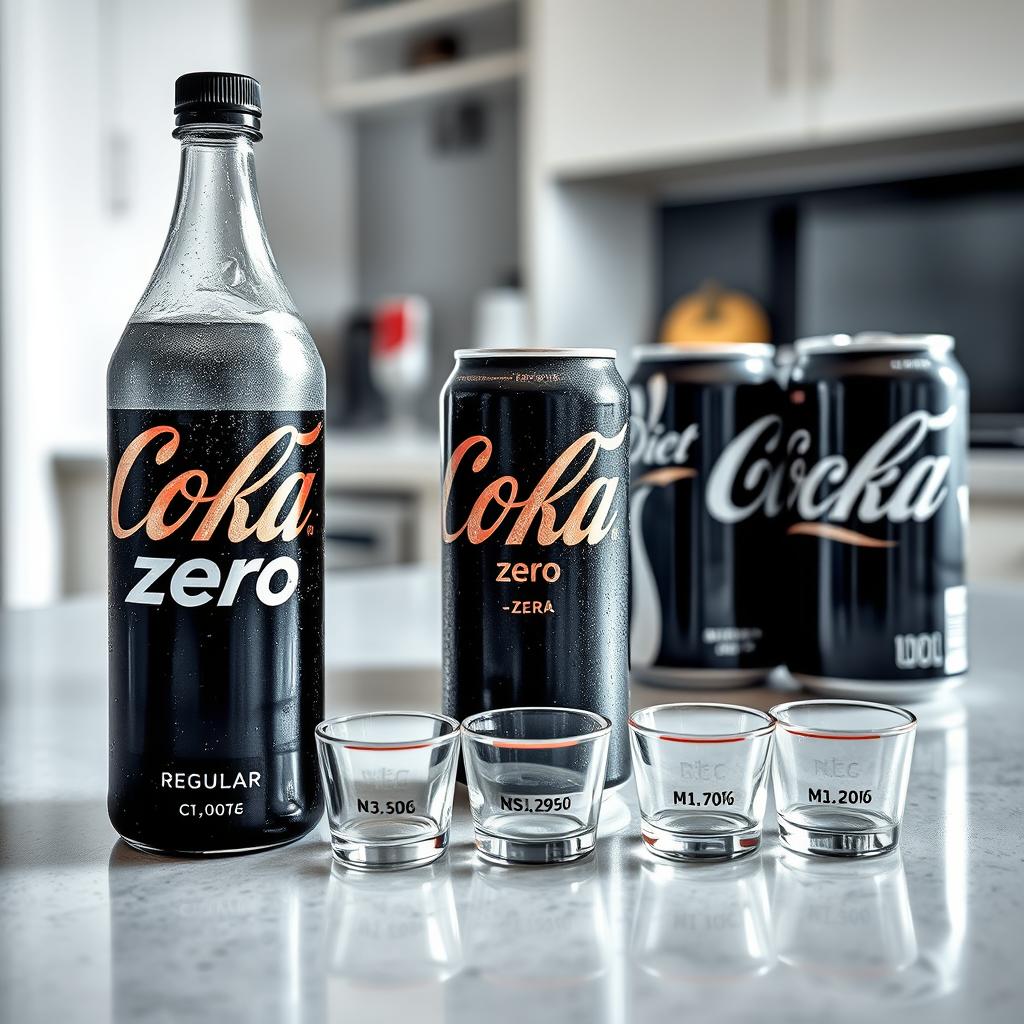
A standard 12-ounce (355 mL) can of Coke Zero contains about 34 milligrams of caffeine. Meanwhile, the same serving size of regular Coke delivers around 32 milligrams, and Diet Coke is the most caffeinated of the trio with 42 milligrams. If you opt for the larger 20-ounce (591 mL) bottle of Coke Zero, the caffeine content climbs to 57 milligrams.
Seeing how it compares to other sodas, you’ll notice Coke Zero’s caffeine levels are relatively moderate. It packs less punch than highly caffeinated sodas like Mountain Dew, which has a striking 54 milligrams of caffeine per can, but it still edges out many caffeine-free options like Sprite and Root Beer that contain no caffeine. For easier comparison, here’s a visual table:
| Soda Type | Caffeine (per 12 oz) | Caffeine (per 20 oz) |
|---|---|---|
| Coke Zero | 34 mg | 57 mg |
| Regular Coke | 32 mg | 53 mg |
| Diet Coke | 42 mg | 70 mg |
| Mountain Dew | 54 mg | 91 mg |
| Sprite | 0 mg | 0 mg |
To put it into perspective, here are a few important takeaways:
- Coke Zero vs Regular Coke: Slightly more caffeine, but very close in comparison.
- Coke Zero vs Diet Coke: Diet Coke significantly outpaces Coke Zero in caffeine content.
- Coke Zero vs Other Sodas: Moderate caffeine levels make it a middle-ground choice for soda drinkers.
So, does Coke Zero have more caffeine than other sodas? The answer depends on what you’re comparing it to. While it doesn’t rival high-caffeine options like Mountain Dew, it certainly carries more caffeine than caffeine-free sodas, and even regular Coke by a slim margin. If you’re keeping tabs on your caffeine intake, these small differences can add up! Take a closer look at your soda choices to ensure they match your health and nutritional goals.
Nutrition Facts of Coke Zero
Have you ever wondered what makes Coke Zero such a popular choice for those seeking sugar-free refreshment without compromising on flavor? This section delves into its nutritional profile, ingredients, and key characteristics that differentiate it from other zero-sugar sodas. Whether you’re curious about calorie counts or the specifics behind its sweeteners, we’ve got everything covered.
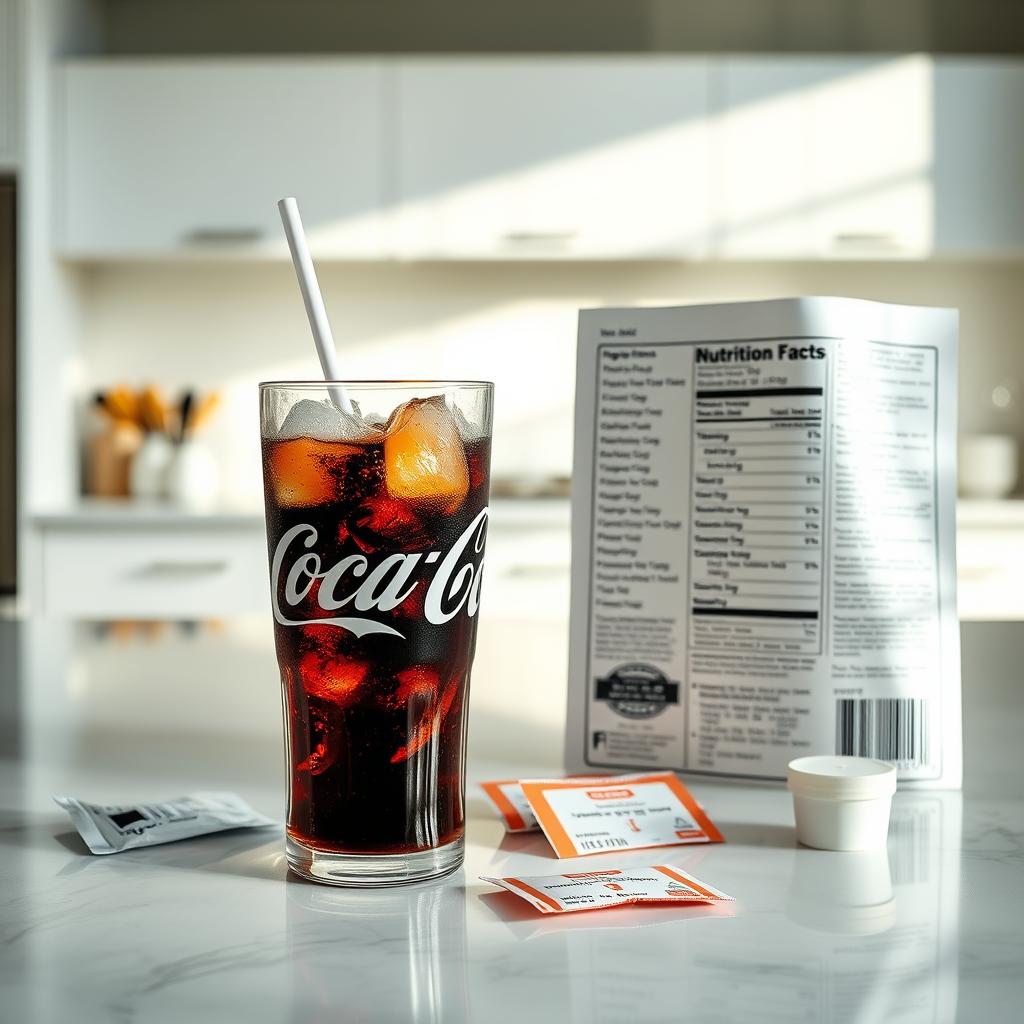
Let’s start with the numbers. Here’s a quick overview of the nutritional content in a typical serving of Coke Zero (12 fl oz or 355mL):
| Nutrient | Amount Per Serving |
|---|---|
| Calories | 0 |
| Total Fat | 0g |
| Sodium | 40mg |
| Total Carbohydrates | 0g |
| Protein | 0g |
| Caffeine | 34mg |
With zero calories, zero carbs, and a moderate 34mg of caffeine per serving, Coke Zero seems to tick all the boxes for anyone keeping an eye on their diet. The sodium level is relatively low at 40mg, making it a more heart-friendly soda compared to others high in sodium.
What’s Inside Coke Zero?
The ingredients in Coke Zero are precisely chosen to deliver flavor without the sugar. The beverage uses a combination of artificial sweeteners, carbonation, preservatives, and flavor enhancers.
- Artificial Sweeteners: Coke Zero utilizes aspartame and acesulfame potassium—two common sugar substitutes. Aspartame is known for its strong sweetness despite containing no calories, while acesulfame potassium contributes additional sweetness to provide stability to the flavor profile.
- Carbonation: The fizz in Coke Zero comes from carbonated water, which enhances the drinking experience but has no nutritional impact.
- Caramel Coloring: To achieve its signature look, Coke Zero uses caramel coloring, a cosmetic addition with no direct impact on nutrition.
- Flavor Enhancers: The blend of “natural flavors” in Coke Zero remains proprietary, but it delivers a taste closely mimicking regular cola.
It’s important to note that agave nectar substitute is not part of Coke Zero’s ingredient list, as the beverage maintains its focus on artificial and calorie-free sweeteners. However, exploring substitutes like agave nectar might be useful for your broader dietary insights.
How Coke Zero Differs From Other Sugar-Free Sodas
While Coke Zero shares the zero-sugar label with many competitors, such as Diet Coke and Pepsi Zero Sugar, subtle differences set these beverages apart. Here’s how Coke Zero stands out:
- Flavor Profile: Coke Zero offers a taste closer to classic Coca-Cola than Diet Coke, which has a more distinct aftertaste due to its formulation.
- Sodium Content: With 40mg of sodium per serving, Coke Zero has slightly less sodium when compared to Pepsi Zero Sugar, which contains about 50mg per comparable serving.
- Sweetener Blend: The combination of aspartame and acesulfame potassium in Coke Zero is different from Diet Coke’s reliance solely on aspartame, resulting in a smoother sweetness for Coke Zero.
- Caffeine Levels: Coke Zero contains 34mg of caffeine per 12 fl oz, which is higher than Diet Coke’s 28mg but lower than Pepsi Zero Sugar’s 69mg. This moderate caffeine level makes it a lighter option for those mindful of their stimulant intake.
Health Impact of Caffeine in Coke Zero
Have you ever wondered why caffeine is such a popular ingredient not just in coffee, but also in sodas like Coke Zero? Packed with moderate levels of caffeine, Coke Zero is often chosen for its ability to provide an energy boost without the added sugar found in many other beverages. But what does this mean for your health, and why do so many people opt for caffeine over sugary alternatives? Let’s dive into the details.
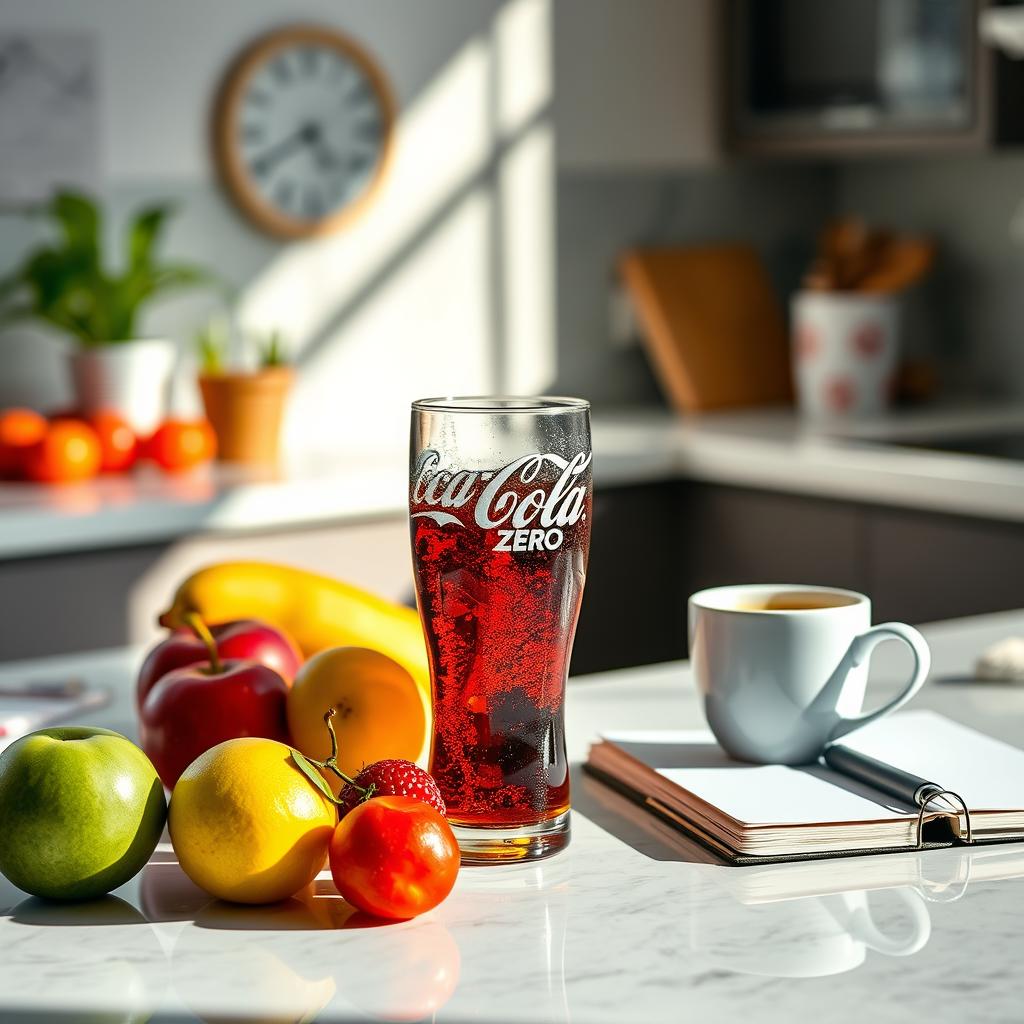
Positive Effects of Moderate Caffeine Intake
When consumed in moderation, caffeine offers several noteworthy benefits. One of its most well-documented advantages is its ability to enhance focus and alertness. Whether you’re powering through a morning meeting or studying for an exam, the caffeine in Coke Zero can help sharpen your attention and improve your concentration.
Caffeine works by stimulating the central nervous system, increasing the production of neurotransmitters like dopamine and adrenaline. These chemical messengers play a crucial role in delivering that “wake-up” effect you rely on when the day feels sluggish. Unlike sugary drinks, which can lead to energy spikes followed by crashes, the caffeine in Coke Zero provides a steadier boost, making it an appealing choice for those seeking sustained mental clarity.
Boosting Energy Without Added Sugars
Let’s talk about energy drinks for a moment. While they promise quick bursts of energy, most are loaded with high amounts of sugar that can take a toll on your overall health. Excess sugar not only contributes to weight gain but can also increase your risk of developing conditions like diabetes and heart disease. So, how does Coke Zero compare?
Caffeine in Coke Zero is sugar-free, which makes it a more balanced choice for individuals looking to avoid the downsides of sugary beverages. Its caffeine content—34 mg per 12-ounce serving—provides a modest kick, sufficient to energize you without overwhelming your system. It’s a great option for anyone who wants caffeine’s benefits but prefers to steer clear of sugar-laden drinks.
Why Choose Caffeine Over Sugary Energy Drinks?
Have you ever asked yourself, “Do I really need all that sugar in my pick-me-up drink?” Many others have too, and the growing preference for drinks like Coke Zero reflects a shift toward more health-conscious choices. Here are some compelling reasons why caffeine, especially in a sugar-free beverage, is gaining ground:
- Healthier Metabolism: Unlike sugar, caffeine doesn’t promote fat storage or contribute to insulin spikes. Moderate caffeine consumption can even have mild thermogenic properties, potentially aiding in calorie burning.
- Improved Cognitive Performance: While sugary drinks may dull mental function after an initial rush, caffeine keeps you mentally sharp and ready to tackle tasks.
- No Empty Calories: Choosing caffeine in a drink like Coke Zero means consuming fewer unnecessary calories, helping you stay on track with dietary goals.
- Supports Hydration: Sodas like Coke Zero, when consumed responsibly, can contribute to your daily fluid intake without the health risks linked to sugar overload.
Ultimately, the simplicity of caffeine—without the bells and whistles of excessive additives—fits well with those who prioritize balance over short-term gratification. Unlike energy drinks with questionable ingredients or excessive sugar content, Coke Zero delivers caffeine in a straightforward and cleaner package.
Coke Zero vs Other Sugar Free Drinks
When it comes to choosing a sugar-free drink, the options can feel overwhelming. Coke Zero often stands out in the crowd, but how does its caffeine content and nutritional profile stack up against other popular choices like Diet Pepsi or unsweetened iced tea? Let’s break it down.
Caffeine Content Comparison
If you rely on your beverage for a midday energy boost, caffeine levels may be your deciding factor. Here’s a quick look at the numbers:
- Coke Zero: Approximately 34 mg of caffeine per 12 oz can.
- Diet Pepsi: Slightly higher at 35 mg per 12 oz can.
- Unsweetened Iced Tea: Varies widely, ranging from 8 mg to 40 mg depending on the brand and preparation.
While Coke Zero and Diet Pepsi are neck-and-neck, iced tea can be a better choice for those aiming to minimize caffeine.
Ingredient Differences
The main ingredient differences boil down to sweeteners and flavoring:
- Coke Zero: Uses Acesulfame Potassium and Aspartame for that signature Coke taste, alongside caramel coloring.
- Diet Pepsi: Similar artificial sweeteners, but a slightly lighter flavor profile.
- Unsweetened Iced Tea: Naturally free from artificial sweeteners, offering a more refreshing and earthy taste.
If you’re looking for something closer to “natural,” iced tea might be the winner here.
Your ideal sugar-free drink hinges on what matters most to you:
- Looking for flavor? Coke Zero delivers a bold, cola-like punch.
- Need caffeine for focus? Opt for Diet Pepsi or a stronger iced tea blend.
- Prioritizing wholesome ingredients? Unsweetened iced tea keeps things simple.
Ultimately, the “best” option is the one that matches your lifestyle and dietary goals. Whether you’re cutting back on caffeine, seeking better nutrition, or just looking for something tasty, understanding the differences gives you the power to choose wisely.
- Know Your Limit: The FDA recommends no more than 400 mg of caffeine per day for most adults. Check labels or use online reference charts to see how your daily intake measures up.
- Time It Right: Cut off caffeine consumption six hours before bedtime to avoid disruptions to your sleep cycle. Swapping Coke Zero for caffeine-free drinks in the evening is a simple fix.
- Mix It Up: Alternate caffeinated drinks like Caffeine in Coke Zero with water, herbal teas, or fresh fruit-infused water to stay hydrated and reduce overconsumption.
By keeping these steps in mind, you can enjoy Caffeine in Coke Zero without worrying about caffeine’s health risks. Think of it as striking a perfect harmony between indulgence and wellness—a way to let yourself enjoy life’s small pleasures while keeping your nutrition on track.

Allen is the founder of nosugarways.com, sharing simple tips and recipes to help you cut sugar and live healthier.