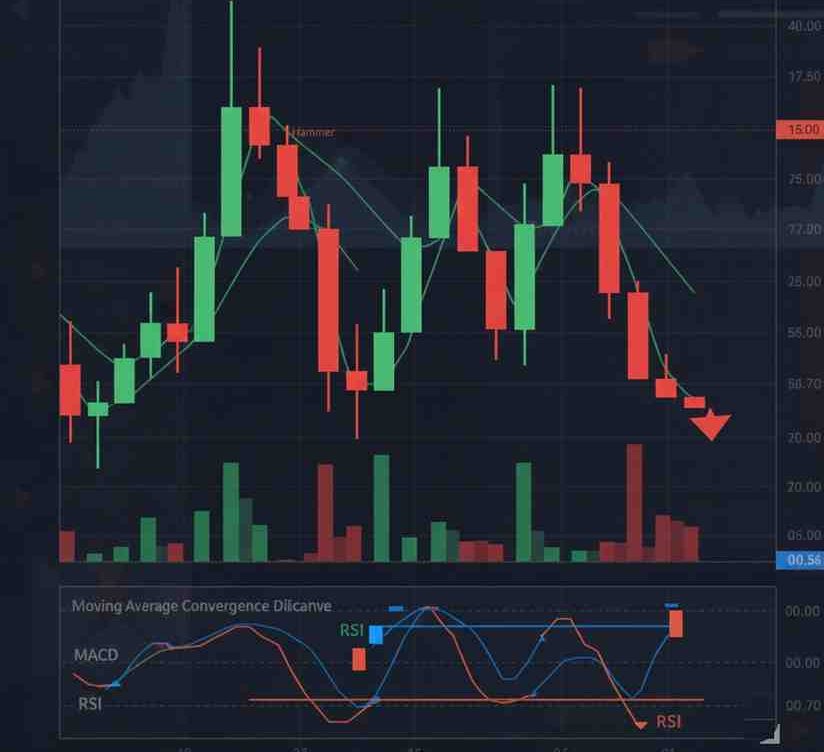
In the dynamic world of finance, understanding interest rates is crucial for anyone involved in regular trading activities. Switzerland, known for its robust banking system and stable economy, offers a unique environment where interest rates play a significant role in investment decisions. The Swiss-Zins-Vergleich, or Swiss interest rate comparison, becomes an essential tool for traders aiming to optimize their returns while managing risks effectively.
Interest rates in Switzerland are influenced by several factors including the monetary policies of the Swiss National Bank (SNB), global economic conditions, inflation expectations, and market demand for credit. The SNB’s primary objective is to maintain price stability while supporting economic growth. As such, it adjusts key policy rates to influence borrowing costs and liquidity within the financial system. Traders engaged in regular transactions must stay informed about these changes as they directly impact lending rates offered by banks and financial institutions.
A thorough Swiss-Zins-Vergleich involves comparing various interest rate offerings from different banks and financial products such as savings accounts, fixed deposits, loans, and mortgages. For traders who frequently engage in buying and selling securities or commodities, understanding these comparisons helps identify cost-effective financing options that can enhance profitability. Lower interest expenses on borrowed capital mean higher net gains on trades executed with leverage.
Moreover, the comparison extends beyond nominal interest rates to include effective annual yields after considering compounding frequency and fees associated with each product. Some banks may offer attractive headline rates but impose hidden charges that reduce overall returns. Therefore, meticulous analysis using reliable comparison platforms ensures transparency and aids decision-making processes.
Another aspect critical for regular traders is the differentiation between short-term and long-term interest rates available within Switzerland’s financial ecosystem. Short-term instruments like money market funds or overnight deposits provide flexibility but generally yield lower returns compared to long-term fixed-rate investments such as bonds or time deposits locked over several years. Depending on trading strategies-whether focused on quick turnover or longer holding periods-selecting appropriate instruments aligned with prevailing interest conditions can significantly affect performance outcomes.
Currency considerations also come into play since many international traders operate across borders involving multiple currencies alongside Swiss francs (CHF). Fluctuations in exchange rates combined with varying national interest regimes create opportunities for arbitrage but also introduce additional layers of risk requiring careful assessment during any Zins-Vergleich exercise.
In conclusion, mastering the nuances of Swiss-Zins-Vergleich equips regular traders with vital insights needed to navigate Switzerland’s complex yet rewarding financial landscape effectively. By continuously monitoring policy shifts by the SNB alongside competitive bank offerings tailored to diverse investment horizons and currency exposures, traders can make informed choices that bolster profitability while mitigating potential downsides related to borrowing costs or currency volatility. Ultimately this strategic approach fosters sustainable success within one of Europe’s most respected markets for capital deployment and wealth management alike.

Allen is the founder of nosugarways.com, sharing simple tips and recipes to help you cut sugar and live healthier.