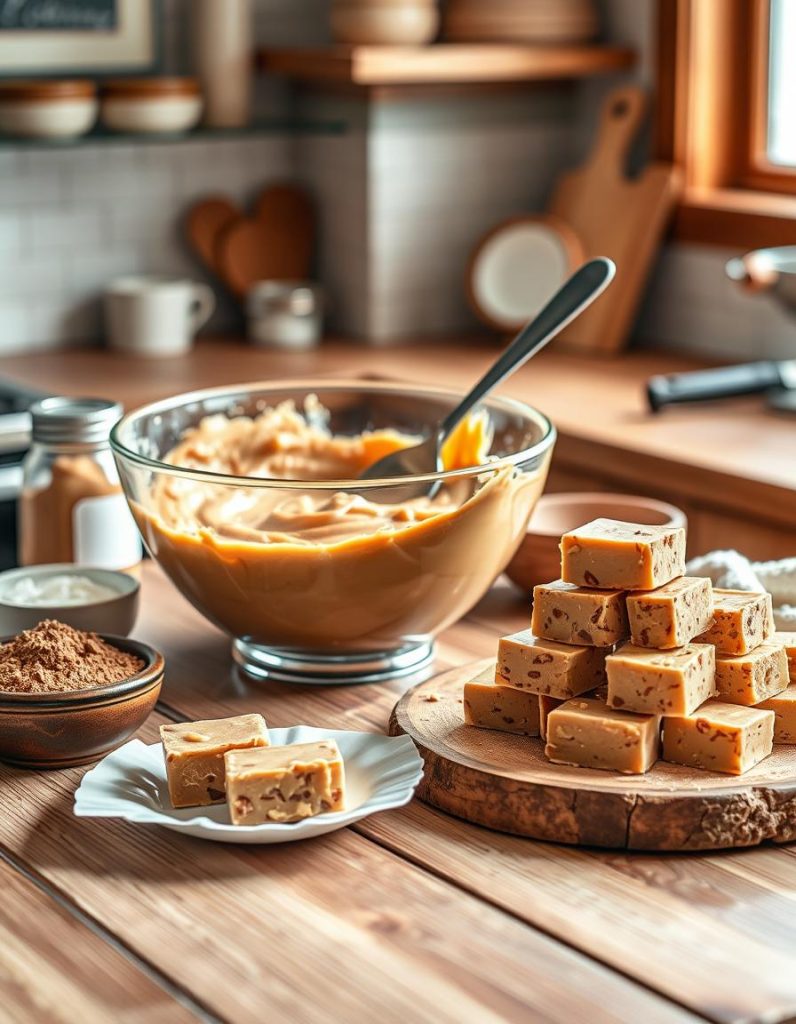
Peanut butter fudge is a classic treat that many people enjoy, but traditional recipes often include a lot of sugar. If you’re looking for a healthier way to enjoy this delicious dessert, knowing how to make sugar free peanut butter fudge is a game changer. This version cuts out added sugars without sacrificing flavor or texture, making it a perfect sweet treat for those watching their sugar intake or anyone wanting a guilt-free indulgence.
Why Choose Sugar Free Peanut Butter Fudge?
Cutting back on sugar can help reduce the risk of many health issues, including diabetes, obesity, and heart disease. But avoiding sweets altogether? That can be tough! This fudge recipe offers a clever workaround by using natural ingredients that bring sweetness and creaminess without relying on refined sugar. Plus, it’s an incredibly simple recipe that even beginners can handle.
If you’ve heard about sugar free prune juice, you might be curious how ingredients like that can make desserts healthier and tastier. Prune juice is a natural sweetener that adds moisture and subtle flavor without spiking blood sugar like regular sugar does.
Essential Ingredients for This Recipe
Before you start, gather these ingredients to ensure your fudge turns out creamy, rich, and sweet enough without added sugar:
| Ingredient | Purpose |
|---|---|
| Natural, Unsweetened Peanut Butter | Base flavor and creaminess |
| Coconut Oil | Helps fudge set and adds smooth texture |
| Powdered Erythritol or Monk Fruit Sweetener | Natural sweetener with zero glycemic impact |
| Vanilla Extract | Enhances flavor depth |
| Unsweetened Cocoa Powder (optional) | For a chocolatey twist |
These ingredients combine to create a unique fudge experience that feels like a treat but without the sugar crash later.
Step-By-Step Guide: How to Make Sugar Free Peanut Butter Fudge
Step 1: Prepare Your Tools
Grab a medium saucepan, a mixing bowl, an 8×8 inch pan (or any small dish), parchment paper, and a whisk or spatula. Lining the pan with parchment paper will make removing the fudge easier later on.
Step 2: Melt the Coconut Oil and Peanut Butter
On low heat, melt 1 cup of natural peanut butter and 1/3 cup of coconut oil together in the saucepan. Stir frequently to combine them smoothly without overheating. Aim for a warm, fluid mixture but don’t let it boil.
Step 3: Mix in Sweetener and Flavorings
Remove the pan from the heat. Quickly whisk in 3/4 cup powdered erythritol or monk fruit sweetener and 1 teaspoon vanilla extract. If you want a chocolate fudge, add 2 tablespoons of unsweetened cocoa powder here. Make sure everything is combined evenly; lumps can spoil the texture.
Step 4: Pour and Chill
Transfer the mixture into your parchment-lined pan, smoothing out the top with a spatula. Pop it into the fridge and chill for at least 2 hours or until firm. Patience is key—trying to cut fudge that hasn’t set is a recipe for frustration!
Step 5: Slice and Serve
Once the fudge has firmed up, lift it out using the parchment paper. Slice into small squares and enjoy. Because it’s sugar free, these little bites pack a creamy, satisfying flavor without overwhelming sweetness.
Troubleshooting Tips and Tricks
- Fudge too soft? Try adding a bit more coconut oil or refrigerate longer.
- Too sweet or not sweet enough? Adjust the sweetener slightly next time—taste as you go!
- Grainy texture? Use powdered sweetener instead of granulated to avoid grit.
- Peanut butter separation? Stir regularly during melting to keep it combined.
Health Benefits of This Sugar Free Treat
Because this fudge skips refined sugar, it’s easier on your blood sugar and teeth. Peanut butter brings protein and healthy fats, which help keep you full longer. Coconut oil adds medium-chain triglycerides, which some studies suggest may support metabolism. Plus, natural sweeteners like erythritol don’t cause blood sugar spikes or insulin surges.
This combination makes your sweet tooth happy while staying more aligned with healthy eating habits—a win-win.
Nutritional Breakdown (Approximate Per Serving)
| Component | Amount |
|---|---|
| Calories | 120 kcal |
| Fat | 10g |
| Protein | 4g |
| Carbohydrates | 3g (net carbs ~0-1g depending on sweetener) |
| Sugar | 0g added sugars |
Fun Ideas to Customize Your Fudge
- Add a handful of chopped nuts for crunch.
- Mix in unsweetened shredded coconut for texture and flavor.
- Swirl in a few tablespoons of sugar free prune juice for natural sweetness and moisture.
- Sprinkle with a pinch of sea salt to enhance the peanut butter taste.
Each version lets you experiment and find your perfect balance—because cooking should be fun, not frustrating!
Conclusion
Knowing how to make sugar free peanut butter fudge means you can enjoy a creamy, sweet treat without the typical sugar overload. This recipe keeps things simple while offering flexibility for your taste preferences and dietary needs. With natural ingredients like peanut butter, coconut oil, and healthy sweeteners, you can satisfy your sweet tooth and stay on track with your wellness goals. So go ahead, whip up a batch and share this unique delight with friends and family—they’ll never guess it’s sugar free!

Allen is the founder of nosugarways.com, sharing simple tips and recipes to help you cut sugar and live healthier.