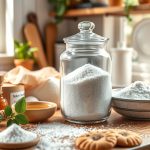
Brown sugar is a pantry staple found in kitchens around the globe. It adds a deliciously rich flavor and moisture to baked goods, sauces, and even beverages. But if you or someone you know follows a gluten-free diet due to celiac disease or gluten sensitivity, the question naturally arises: is brown sugar gluten free? Understanding what brown sugar is made from and how it’s processed is key to answering this question. Let’s peel back the layers and get to the sweet truth.
What Is Brown Sugar?
Brown sugar is essentially white sugar with molasses added back into it, which gives it a moist texture and caramel-like taste. It’s made from sugarcane or sugar beets. The sugar crystals soak up molasses, which is a natural byproduct of refining sugar. The two main types you’ll find in stores are light brown sugar and dark brown sugar—the difference being the amount of molasses included.
Since brown sugar is derived from sugarcane or sugar beet, both of which do not contain gluten, it seems like a safe bet for people avoiding gluten. But there’s more to the story.
Is Brown Sugar Gluten Free?
In its pure form, brown sugar does not contain gluten. Gluten is a protein found in wheat, barley, rye, and their derivatives, and sugarcane or sugar beets have zero gluten content. This naturally means that plain brown sugar is gluten free.
However, the biggest concern with brown sugar is cross-contamination during production, packaging, or processing. Sometimes manufacturers use the same equipment or facilities for gluten-containing products and brown sugar. This could potentially introduce traces of gluten, especially if quality control isn’t strict.
Manufacturing and Cross-Contamination Risks
While brown sugar itself is safe, here’s where gluten can sneak in:
- Shared equipment: If a factory processes wheat flour or other gluten products alongside sugar, traces can mix in.
- Packaging lines: If bags or containers are filled on the same line as gluten-containing products, cross-contact may occur.
- Added ingredients: Some specialty brown sugars might include flavorings or additives that are not gluten free.
Because of these factors, it’s always smart to check the label or contact the manufacturer to ensure that their brown sugar is certified gluten free or processed in a gluten-free facility.
Labeling to Look For
Labels can be quite helpful in identifying safe products. Look for these indicators:
| Label | Meaning |
|---|---|
| Certified Gluten Free | The product meets strict gluten-free standards, usually less than 20 ppm gluten. |
| Gluten-Free | Generally safe, but certification adds extra assurance. |
| No Gluten Ingredients | The ingredients themselves don’t contain gluten, but cross-contamination risk might remain. |
| Processed in Facility That Also Processes Wheat | Higher risk of gluten traces; caution advised for sensitive individuals. |
For anyone with celiac disease or severe gluten sensitivity, even tiny amounts of gluten can cause problems. That’s why it pays to be cautious and choose products with clear, trustworthy labeling.
Brown Sugar Substitutes That Are Gluten Free
If you want to play it super safe or try alternatives, here are some gluten-free options that mimic brown sugar’s flavor and texture:
- Pure molasses + white sugar: Mix 1 cup of white granulated sugar with 1-2 tablespoons of molasses. Voila, homemade brown sugar.
- Coconut sugar: A natural sweetener with a caramel flavor, completely gluten free.
- Maple sugar: Made by dehydrating pure maple syrup, providing a rich sweetness.
- Date sugar: Ground dried dates, adding fiber and sweetness.
Any of these can be swapped in recipes if you want to avoid doubts or try a new twist.
Who Should Be Careful?
While brown sugar generally poses minimal risk, people with celiac disease or extreme gluten sensitivity should exercise caution. Gluten can trigger serious symptoms, so it’s better to double-check the source and packaging.
If you’re a baker or cooking for someone who needs to avoid gluten, consider this funny little story: A friend once used “brown sugar” from a bulk bin at a bakery supply store, only to find later it had traces of wheat flour dust on it—resulting in a surprise gluten exposure. It’s a classic example of “better safe than sorry.”
How to Ensure Brown Sugar is Gluten Free
To ensure your brown sugar is gluten free, follow these simple tips:
- Buy from brands that clearly label their products gluten free.
- Avoid bulk bins or unpackaged sugars that might have cross-contamination risk.
- Contact the manufacturer if you’re uncertain about their production practices.
- Store brown sugar separately from gluten-containing products at home.
By taking these steps, you reduce any risk of gluten sneaking into your sweet treats.
By the way, for those interested in finding out more about candy options suitable for gluten-free lifestyles, do check out haribo sugar free gummy bears reviews. It’s a sweet read with plenty of useful info!
Summary Table: Is Brown Sugar Gluten Free?
| Factor | Gluten Presence | Notes |
|---|---|---|
| Raw Ingredients | No | Sugarcane and sugar beets have no gluten. |
| Added Molasses | No | Molasses is gluten free. |
| Processing & Packaging | Possible | Cross-contamination can occur; check labels. |
| Flavored or Specialty Brown Sugar | Varies | Some add-ons may contain gluten, verify ingredients. |
Conclusion
So, is brown sugar gluten free? The short answer is yes, brown sugar itself does not contain gluten. The sugar crystals and molasses used are naturally gluten free. However, the risk lies in how it’s processed and packaged. Cross-contamination with gluten-containing products can happen, so checking labels and choosing certified gluten-free brands is the safest bet.
For those with gluten sensitivities or celiac disease, a little extra care can save a lot of headaches—or tummy aches! Luckily, alternatives such as coconut sugar or homemade brown sugar mixes offer tasty, safe options.
Remember, knowledge is power when it comes to your health. And when in doubt, the right info helps you sweeten your recipes without any bitter surprises.

Allen is the founder of nosugarways.com, sharing simple tips and recipes to help you cut sugar and live healthier.