
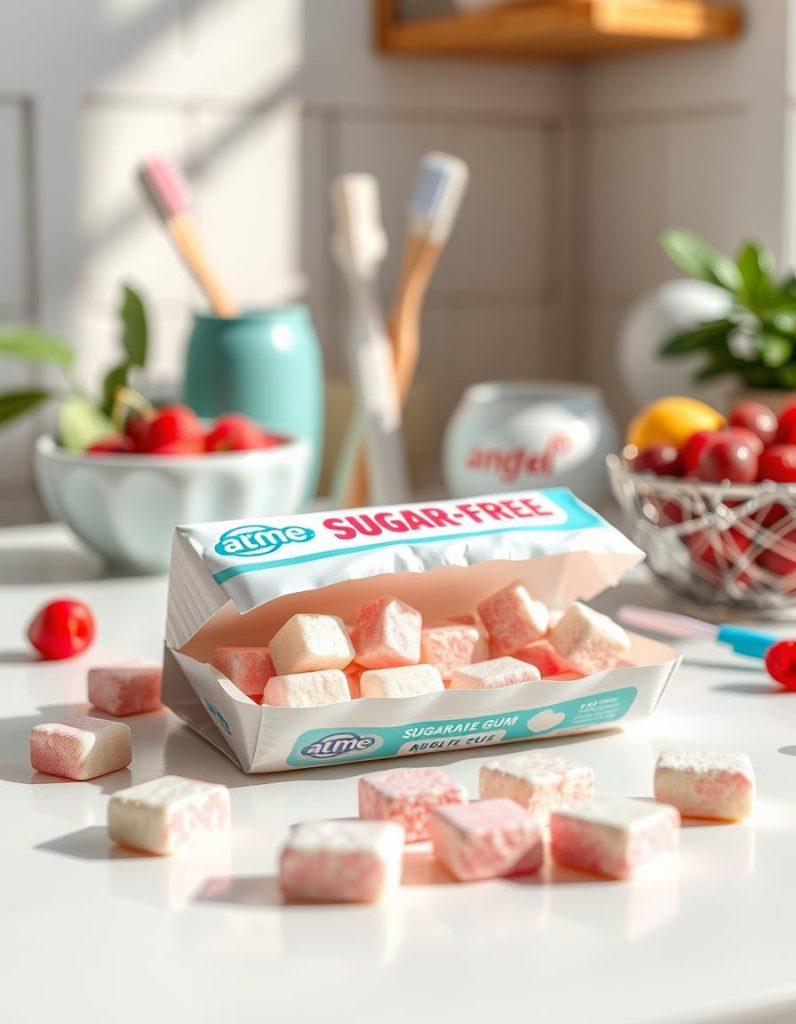
Chewing gum has been a favorite pastime for many, but when it comes to oral health, you might wonder, is sugar free gum good for teeth? Unlike regular gum packed with sugary sweetness, sugar free gum offers a different story. Many dentists actually recommend it as part of a healthy oral care routine. But why is this the case? Let’s chew over the facts and find out what makes sugar free gum a smart choice for your pearly whites.
How Does Sugar Free Gum Affect Your Teeth?
Sugar free gum doesn’t have the sugary stuff that fuels bacteria in your mouth. Bacteria love sugar—they eat it and create acid that wears down tooth enamel. This acid can lead to cavities and tooth decay. So, when you ditch the sugar, you’re cutting off their favorite snack. But sugar free gum does more than just avoid the bad guys; it actively helps your teeth too.
Stimulating Saliva Production
Chewing sugar free gum stimulates saliva flow. Saliva is like your mouth’s natural cleaning squad. It helps wash away leftover food particles, neutralizes harmful acids, and carries important minerals that repair your enamel. After meals, increased saliva reduces the risk of decay and freshens breath at the same time. Think of saliva as your mouth’s personal bodyguard.
Protecting Tooth Enamel
Enamel is the hard, protective outer layer of your teeth. When acid eats away at it, your teeth become sensitive and prone to cavities. Chewing sugar free gum encourages saliva to bring minerals like calcium and phosphate back to the tooth surface—a process called remineralization. This helps strengthen enamel and reverse early damage. So, sugar free gum is like a mini repair crew for your teeth every time you pop a piece.
What Ingredients Make Sugar Free Gum Beneficial?
Not all sugar free gums are created equal. The sweeteners used in sugar free gums matter a lot for your oral health. Common ingredients include xylitol, sorbitol, and mannitol. Among these, xylitol stands out for its unique dental benefits.
| Sweetener | Role in Oral Health | Notes |
|---|---|---|
| Xylitol | Reduces cavity-causing bacteria; promotes saliva | Widely studied; highly recommended |
| Sorbitol | Less cariogenic than sugar; mild saliva stimulation | Can cause mild digestive issues in large amounts |
| Mannitol | Low calorie sweetener; gentle on teeth | Often blend of sweeteners used |
Xylitol is particularly cool because it starves the harmful bacteria. Without sugar, they can’t produce those nasty acids that cause cavities. Many dental experts say chewing xylitol gum after meals is one of the easiest ways to keep your mouth healthy.
Is Sugar Free Gum Good for Teeth Compared to Regular Gum?
Regular gum is often loaded with sugar, and that makes it a sly enemy in disguise. While it might freshen your breath for a few seconds, it’s like inviting bacteria to a feast. On the other hand, sugar free gum helps clean teeth and supports oral health. Here’s a quick look at both:
- Regular gum: Contains sugar, feeds cavity-causing bacteria, leads to acid production.
- Sugar free gum: Contains sweeteners that don’t feed bacteria, boosts saliva, helps protect enamel.
So the answer to is sugar free gum good for teeth leans heavily toward yes. It’s a smart swap that can make a noticeable difference, especially if you can’t brush immediately after snacks or meals.
When and How to Use Sugar Free Gum for Best Results
Timing matters with sugar free gum. Chewing it right after eating is when it’s most effective because that’s when your mouth needs the most help battling acids and cleaning up food debris. However, it’s not a replacement for brushing and flossing but a helpful addition.
Tips for Using Sugar Free Gum
- Chew for about 10-20 minutes after meals to stimulate saliva.
- Choose gums that contain xylitol for added benefits.
- Avoid chewing gum constantly throughout the day to prevent jaw fatigue.
- Use gum as a backup when you can’t brush right away.
One caveat is people with TMJ (temporomandibular joint) issues should be cautious about excessive chewing because it might cause jaw pain.
Are There Any Other Benefits of Sugar Free Gum?
Beyond dental health, sugar free gum can freshen breath without adding calories or risking tooth decay. It also helps reduce stress by providing a physical outlet for nervous energy—kind of like a mini workout for your jaw muscles. Some studies even suggest that chewing gum can improve focus and memory, which is handy during study sessions or long meetings.
However, it’s important to avoid products with artificial sweeteners or allergens that might cause problems for sensitive individuals. Always check the label if you have specific dietary needs.
Speaking of sweet choices, if you enjoy sweet flavors but want to avoid sugar, you might like the unique taste of sugar free white chocolate syrup. It’s a delicious way to indulge without the sugar rush or dental worries.
Summary Table: Sugar Free Gum Benefits vs. Regular Gum
| Feature | Sugar Free Gum | Regular Gum |
|---|---|---|
| Feeds harmful bacteria | No | Yes |
| Stimulates saliva flow | Yes | Yes |
| Helps remineralize enamel | Yes | No |
| Risk of cavities | Lower | Higher |
| Caloric content | Low or none | Varies, often sugary |
Conclusion
So, is sugar free gum good for teeth? Absolutely. It provides a simple, low-cost way to improve oral health by increasing saliva flow, protecting tooth enamel, and reducing cavity risk. While it’s not a replacement for brushing and flossing, it’s a handy ally after meals or snacks. Choosing gums with xylitol makes this benefit even stronger. Plus, the added perks like fresh breath and stress relief make it a win-win.
Next time you pop a piece of sugar free gum, give your teeth a little nod of thanks. Your mouth will appreciate the extra care—without the sugar crash!

Allen is the founder of nosugarways.com, sharing simple tips and recipes to help you cut sugar and live healthier.

