Energy drinks have become a popular go-to for many people looking to boost their energy levels throughout a busy day. Among them, Red Bull stands out as an iconic brand, offering several versions including a sugar-free option. But many wonder: is sugar free red bull bad for you? Can you safely drink it daily without harming your health? Let’s take a closer look at what this sugar-free energy drink really means for your body and daily habits.
Understanding Sugar-Free Red Bull
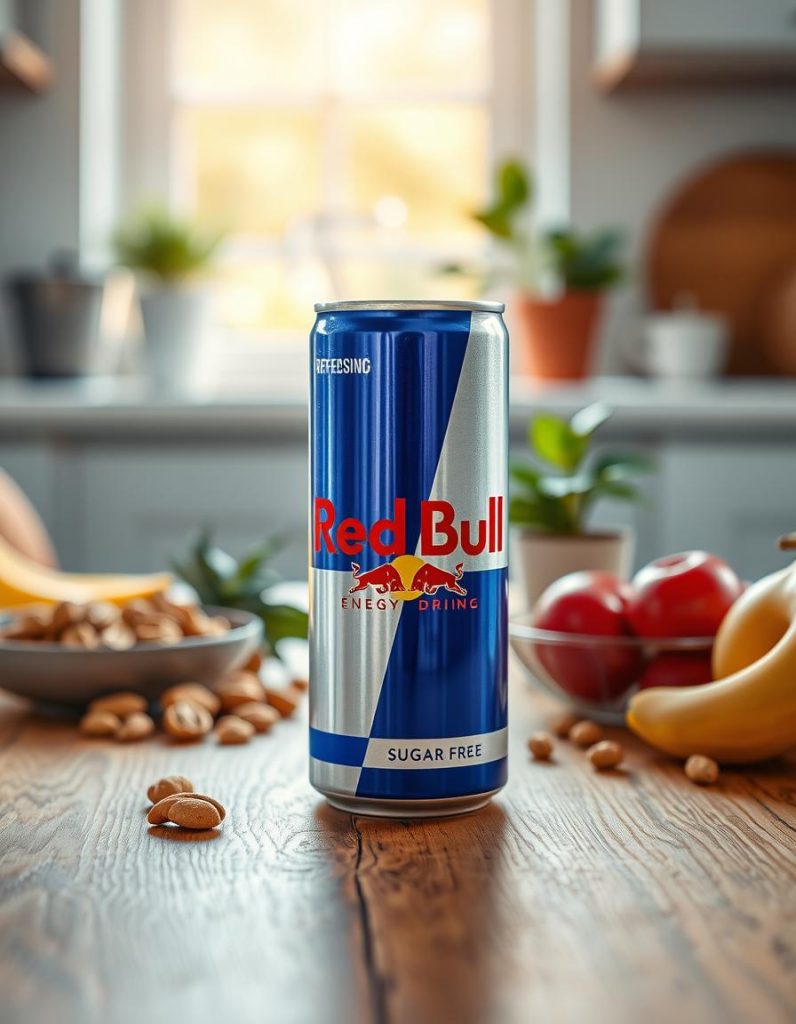
Sugar-free Red Bull is an energy drink that contains zero sugar, using artificial sweeteners like sucralose and acesulfame potassium instead. It boasts the same caffeine content as the original Red Bull, about 80 mg per 8.4 fl oz can, roughly equivalent to a small cup of coffee. This means you get the caffeine kick without the added sugar calories.
Besides caffeine and sweeteners, it also contains B vitamins, taurine (an amino acid), and some other ingredients meant to boost alertness. Sounds like a win for anyone looking to cut sugar but still stay energized, right?
The Appeal of Sugar-Free Energy Drinks
Many people choose sugar-free energy drinks because they are worried about weight gain or the teeth damage that comes with sugary sodas. Others want to keep their blood sugar levels steady, especially if they have diabetes or insulin concerns. Plus, no sugar means fewer calories, which is appealing to those watching their diet.
Still, the question remains: is sugar free red bull bad for you when consumed daily? To answer this, we need to explore what happens when you regularly consume caffeine, artificial sweeteners, and other components found in this drink.
Possible Health Effects of Drinking Sugar-Free Red Bull Daily
Caffeine Content: Friend or Foe?
Caffeine is the star ingredient for energy drinks, and sugar-free Red Bull delivers about the same caffeine as its sugared counterpart. Moderate caffeine intake (around 200–400 mg per day for most adults) can improve focus, mood, and athletic performance. But drinking it daily, especially multiple cans, may have side effects.
Too much caffeine can cause:
- Insomnia or poor sleep quality
- Increased heart rate and blood pressure
- Anxiety or jitters
- Digestive discomfort
If you’re sensitive to caffeine or consume other caffeinated products like coffee or soda, a can or two of sugar-free Red Bull daily might push you over the comfortable limit.
Artificial Sweeteners: Are They Safe?
Some worry about artificial sweeteners in sugar-free Red Bull, like sucralose and acesulfame potassium. These are approved by food safety agencies and considered safe in moderate amounts. They help reduce calories without the blood sugar spike caused by regular sugar.
However, some research suggests that frequent consumption of artificial sweeteners might impact gut health or appetite regulation. The science isn’t settled yet, but if you notice cravings or digestion changes, it’s worth paying attention.
Other Ingredients: Taurine and B Vitamins
Taurine is believed to have certain benefits like supporting heart and muscle function, but its role in energy drinks is still not fully understood. B vitamins are essential nutrients that help with metabolism and energy production, but the amounts in energy drinks typically exceed your daily needs.
Consuming these vitamins in excess usually results in them being flushed out of your system, though it could be a concern for those with specific health conditions.
How Much Sugar-Free Red Bull Is Too Much?
Having one can occasionally probably won’t harm most people, but drinking multiple cans per day can raise health risks because of the combined caffeine and artificial sweeteners. The American Heart Association recommends keeping caffeine intake under 400 mg daily for healthy adults.
| Amount | Caffeine Content | Calories | Sugar |
|---|---|---|---|
| Regular Red Bull (8.4 oz) | 80 mg | 110 | 27 g |
| Sugar-Free Red Bull (8.4 oz) | 80 mg | 10 | 0 g |
| Dr Pepper Zero Sweetener (12 oz) | 41 mg | 0 | 0 g |
For caffeine-sensitive individuals, even one can might cause unpleasant side effects. If you’re unsure, keep a journal of how you feel after drinking it and adjust your intake accordingly.
By the way, interestingly, [dr pepper zero sweetener](https://nosugarways.com/dr-pepper-zero-sweetener-what-makes-it-different-from-diet-dr-pepper/) also offers a zero-calorie beverage option that many people enjoy as an alternative to sugary drinks or other artificially sweetened sodas.
Common Myths About Sugar-Free Red Bull
- Myth: Sugar-free Red Bull is completely harmless.
Fact: While it cuts sugar, the caffeine and additives still need cautious consumption. - Myth: Sugar-free means zero impact on your health.
Fact: Artificial sweeteners and caffeine can have effects beyond calories and sugar. - Myth: It’s a healthy energy booster.
Fact: It’s more like a stimulant and should be used sparingly, not as a health drink.
Tips to Enjoy Energy Drinks Safely
- Limit consumption to one can per day, preferably earlier in the day to avoid sleep disturbances.
- Stay hydrated with water to balance the diuretic effects of caffeine.
- Don’t mix energy drinks with alcohol or other stimulants.
- Pay attention to your body’s signals—if you feel jittery or anxious, cut back.
Sometimes, a good night’s sleep, a balanced diet, and moderate exercise are the best ways to keep your energy levels steady. Energy drinks can be handy aids but shouldn’t become the daily crutch.
Conclusion
So, is sugar free red bull bad for you? The answer is—it depends on how much and how often you drink it. For most healthy adults, having one sugar-free Red Bull occasionally isn’t likely to cause harm. But drinking it daily, especially in larger quantities, can contribute to negative effects from the caffeine and artificial sweeteners. Balance is key. Pay attention to how your body reacts, stay hydrated, and avoid relying on energy drinks as your primary source of fuel.
If you want to enjoy an energy boost while cutting sugar, sugar-free Red Bull is a better option than the original, but it’s still wise to consume it mindfully. After all, your health deserves the utmost care, and sometimes the best energy boost comes from simple, natural habits.

Allen is the founder of nosugarways.com, sharing simple tips and recipes to help you cut sugar and live healthier.