When it comes to managing a gluten-free diet, many people worry about which foods are safe and which are not. Sugar is a common ingredient in countless recipes and products, and this often raises an important question: is white sugar gluten free? Understanding what white sugar really is and how it’s processed can help clear up any confusion. This article will guide you through everything you need to know about white sugar and gluten, ensuring you can enjoy your favorite sweet treats without worry.
What Is White Sugar?
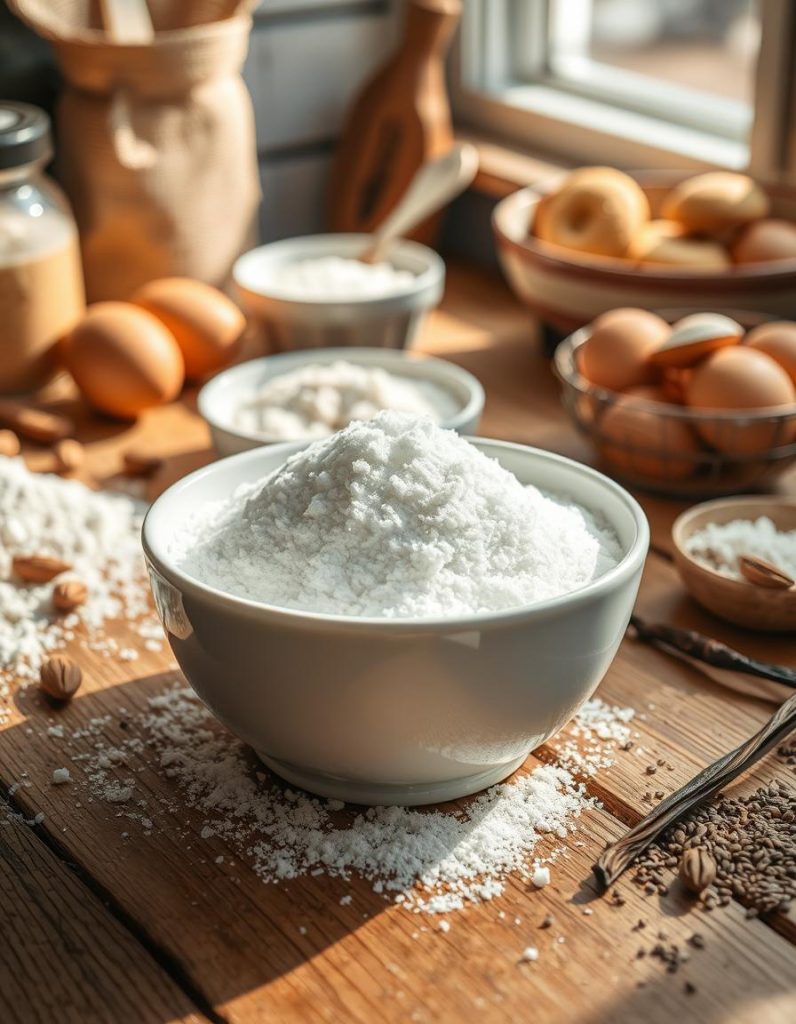
White sugar, also known as granulated sugar, is a sweetener made primarily from sugar beets or sugarcane. During processing, the juice from these plants is extracted, purified, and then crystallized to produce the white, fine crystals many recognize. It’s used widely in baking, beverages, and even some savory dishes to add a touch of sweetness.
Since white sugar is highly refined, it consists almost entirely of sucrose – a type of sugar molecule. This process removes most of the impurities and other plant materials, which makes it quite pure compared to less refined sugars.
What Is Gluten?
Gluten is a protein found mainly in wheat, barley, rye, and their derivatives. It gives dough its elasticity and helps baked goods rise and keep their shape. For people with celiac disease or gluten sensitivity, consuming gluten can cause unpleasant and sometimes severe health reactions.
Because gluten is a protein and sugar is a carbohydrate, you might wonder if sugar even contains gluten. Let’s look deeper.
Is White Sugar Gluten Free?
The short answer is yes—white sugar is naturally gluten free. Since it is derived from sugar beets or sugarcane, which do not contain gluten, white sugar itself contains no gluten proteins. The refining process also helps to remove almost all non-sugar plant material, reducing the chance that gluten could sneak in.
Here’s a quick table showing the gluten status of common sugars:
| Type of Sugar | Contains Gluten? | Notes |
|---|---|---|
| White Granulated Sugar | No | Highly refined; naturally gluten free |
| Raw Sugar (Turbinado, Demerara) | No | Less refined but still naturally gluten free |
| Brown Sugar | No | White sugar with molasses added; gluten free |
| Powdered Sugar | No | White sugar ground fine with a bit of cornstarch; gluten free |
Potential Gluten Contamination Risks
While white sugar itself does not contain gluten, cross-contamination can happen if sugar is processed or packaged in facilities that also handle gluten-containing ingredients. For most people with gluten intolerance or celiac disease, this risk is very low but not impossible.
When buying sugar, especially if you are highly sensitive, it helps to look for labels like “gluten free” or check if the manufacturer tests their product for gluten contamination. Organic or specialty sugar brands often have stricter controls.
Can People Avoiding Gluten Safely Use White Sugar?
Given that white sugar is naturally free of gluten, it remains safe for most people avoiding gluten to consume. Bakers and cooks often use it without any issues. Still, if your gluten sensitivity is severe, double-checking the packaging and manufacturer information adds an extra layer of safety.
Here are some tips to make sure your sugar is gluten safe:
- Buy sugar from reputable brands with clear allergen labeling.
- Store sugar separately to avoid cross-contact with gluten-containing products.
- Use fresh sugar containers and avoid scooping from bulk bins where contamination is more likely.
- Consider certified gluten free sugar if you have a very strict diet.
Is Brown Sugar Safe?
Brown sugar is just white sugar mixed with molasses, which adds moisture and color. Since molasses comes from sugarcane or sugar beet processing, it also does not contain gluten. Therefore, brown sugar is generally safe for gluten-free diets as well.
What About Specialty Sugars?
Sugars like coconut sugar, maple sugar, or agave nectar are also naturally gluten free. However, similar rules apply: check packaging and production practices if you have extreme gluten sensitivity.
Why Does This Matter?
People with celiac disease or gluten intolerance have to be alert about gluten hidden in unexpected foods. Even though sugar is sweet and simple, concerns arise especially when packaged or processed items contain added ingredients. It’s always better to be safe than sorry.
If you’re interested in healthier sweet alternatives that are also gluten safe, you might want to try a sugar free strawberry syrup. It offers sweetness without gluten or added sugars, making it a handy option for various diets!
Summary Table: Key Points About White Sugar and Gluten
| Aspect | Details |
|---|---|
| Origin | Sugarcane or Sugar Beet |
| Gluten Content | None, naturally gluten free |
| Processing | Highly refined, removing impurities |
| Cross Contamination Risk | Low but possible in shared facilities |
| Safe for Gluten-Free Diets? | Yes, but check labels for sensitivity |
Conclusion
To wrap it up, is white sugar gluten free? Absolutely! White sugar is a safe, gluten-free sweetener for nearly everyone avoiding gluten. Its plant-based origins and refining process remove gluten proteins, making it a smart choice for people with celiac disease or gluten intolerance.
Always keep an eye on packaging, buy from trustworthy sources, and store your sugar safely to prevent any cross-contact. With these simple steps, you can enjoy your desserts, drinks, and recipes with peace of mind.
Remember, managing a gluten-free diet doesn’t mean sacrificing sweetness or flavor. With options like white sugar and alternatives like sugar free strawberry syrup, you can keep your taste buds happy without worry!

Allen is the founder of nosugarways.com, sharing simple tips and recipes to help you cut sugar and live healthier.