
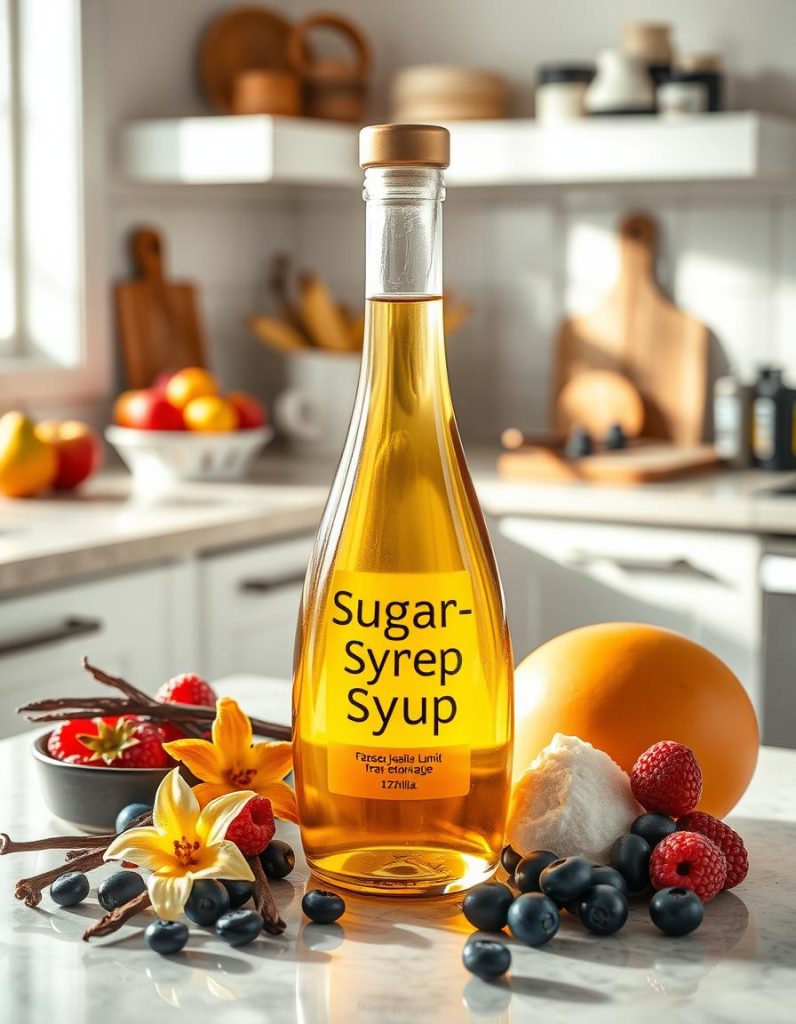
Sugar free syrup has grown in popularity as people look for ways to enjoy sweet flavors without the extra calories. Whether splashed over pancakes, stirred into coffee, or drizzled on desserts, sugar free syrups offer a tasty alternative for those watching their sugar intake. But what is in sugar free syrup exactly, and how safe is it for regular use? Understanding the ingredients and their effects can help you make smarter choices at the grocery store or your favorite café.
What Is in Sugar Free Syrup?
At first glance, sugar free syrup might seem like a simple swap for traditional syrup, just without the sugar. However, its composition is quite different. The primary goal is to replicate sweetness and a syrupy texture without the actual sugar. To achieve this, manufacturers use sugar substitutes, thickeners, and flavorings.
Sugar Substitutes
The most common ingredients replacing sugar in these syrups are sugar alcohols and artificial or natural sweeteners. Here’s a quick overview:
- Sucralose: A popular artificial sweetener, sucralose is about 600 times sweeter than sugar and has zero calories.
- Stevia: A natural sweetener derived from the leaves of the Stevia plant, it’s calorie-free and considered safe by many health authorities.
- Monk Fruit Extract: Another natural sweetener with zero calories, monk fruit is gaining traction for its clean, sweet taste.
- Sorbitol and Maltitol: Sugar alcohols used as sweeteners and bulking agents, though they can cause digestive upset in large amounts.
These substitutes provide sweetness without spiking blood sugar levels, making sugar free syrups appealing to diabetics and dieters alike.
Thickeners and Stabilizers
To mimic the thick texture of traditional syrup, sugar free versions often include ingredients like:
- Glycerin: Adds viscosity and a smooth texture.
- Cellulose Gum or Xanthan Gum: These act as stabilizers to keep the syrup from separating.
- Modified Food Starch: Helps thicken the syrup without adding sweetness.
These ingredients ensure that the syrup pours well and clings to your pancakes, waffles, or ice cream.
Flavorings and Preservatives
Flavor extracts like vanilla, caramel, or fruit flavors are added to replicate the taste profiles of traditional syrups. To maintain shelf life and freshness, preservatives such as potassium sorbate or sodium benzoate are commonly included. These help prevent mold and bacterial growth.
Why Choose Sugar Free Syrup?
There are several reasons why someone might opt for sugar free syrup. People with diabetes often need to manage their blood sugar levels carefully. Others may be cutting back on calories or reducing their sugar intake for general health benefits. Additionally, some enjoy the sweetness without the guilt or tooth decay concerns linked to sugary syrups.
For instance, an old friend of mine swapped to a sugar free torani syrup in her coffee because she wanted to cut down on sugar but still savor her morning treat. She said it felt like a small luxury without the crash later.
How Safe Is Sugar Free Syrup?
Safety can depend on the specific ingredients and the amounts consumed. Most sweeteners and additives used in sugar free syrups have been approved by food safety agencies worldwide. However, individual reactions and sensitivities vary, so it helps to know what you’re putting into your body.
Artificial Sweeteners: Friend or Foe?
Artificial sweeteners like sucralose and aspartame have been studied extensively. They are generally recognized as safe when consumed within recommended limits. However, some people report headaches or digestive issues, and long-term effects are still being examined.
Sugar Alcohols and Digestive Health
One downside of sugar alcohols like sorbitol and maltitol is that they can cause bloating, gas, or diarrhea if eaten in excess. Because they are absorbed more slowly, they can ferment in the gut, leading to discomfort.
For those sensitive to these effects, it’s best to use sugar free syrups sparingly or choose products without sugar alcohols.
Natural Sweeteners: A Safer Bet?
Natural sweeteners like stevia and monk fruit are known for fewer side effects and a more natural profile. Many people find these options easier on their digestive system. That said, some complain about a slight aftertaste, which can come down to personal preference.
Common Ingredients in Sugar Free Syrup: A Quick Table
| Ingredient Type | Example Ingredients | Purpose |
|---|---|---|
| Sugar Substitutes | Sucralose, Stevia, Monk Fruit, Sorbitol | Provide sweetness without calories |
| Thickeners & Stabilizers | Glycerin, Xanthan Gum, Modified Food Starch | Improve texture and prevent separation |
| Flavorings | Vanilla Extract, Caramel Flavor | Add desired taste profiles |
| Preservatives | Potassium Sorbate, Sodium Benzoate | Extend shelf life and prevent spoilage |
Tips for Choosing and Using Sugar Free Syrup
- Check the label carefully. Look for familiar sweeteners and avoid syrups with excessive artificial additives if you prefer a cleaner option.
- Watch portion sizes. Even sugar free syrups can have calories and sweeteners that affect digestion or appetite.
- Try different brands. Some syrups have unique flavor blends and varying ingredient lists, so it can take a few tries to find your favorite.
- Consider your health goals. If you have digestive issues, avoid syrups with sugar alcohols or transition slowly.
If you want to explore a popular option, the sugar free torani syrup line offers a variety of flavors that many enjoy for coffee, tea, and desserts. They balance sweetness with quality ingredients and can be a reliable pick for those curious about sugar free alternatives.
Conclusion
Understanding what is in sugar free syrup helps you make informed choices about incorporating it into your diet. These syrups use sweeteners like sucralose, stevia, or sugar alcohols to replace sugar, combined with thickeners and flavorings to create a satisfying taste and texture. While generally safe for most people, it’s important to be mindful of individual sensitivities, especially to sugar alcohols.
Choosing the right sugar free syrup depends on your taste preferences and health needs. With a little attention to ingredients and moderation in use, sugar free syrup can be a sweet, guilt-free companion to your favorite foods and drinks.

Allen is the founder of nosugarways.com, sharing simple tips and recipes to help you cut sugar and live healthier.

