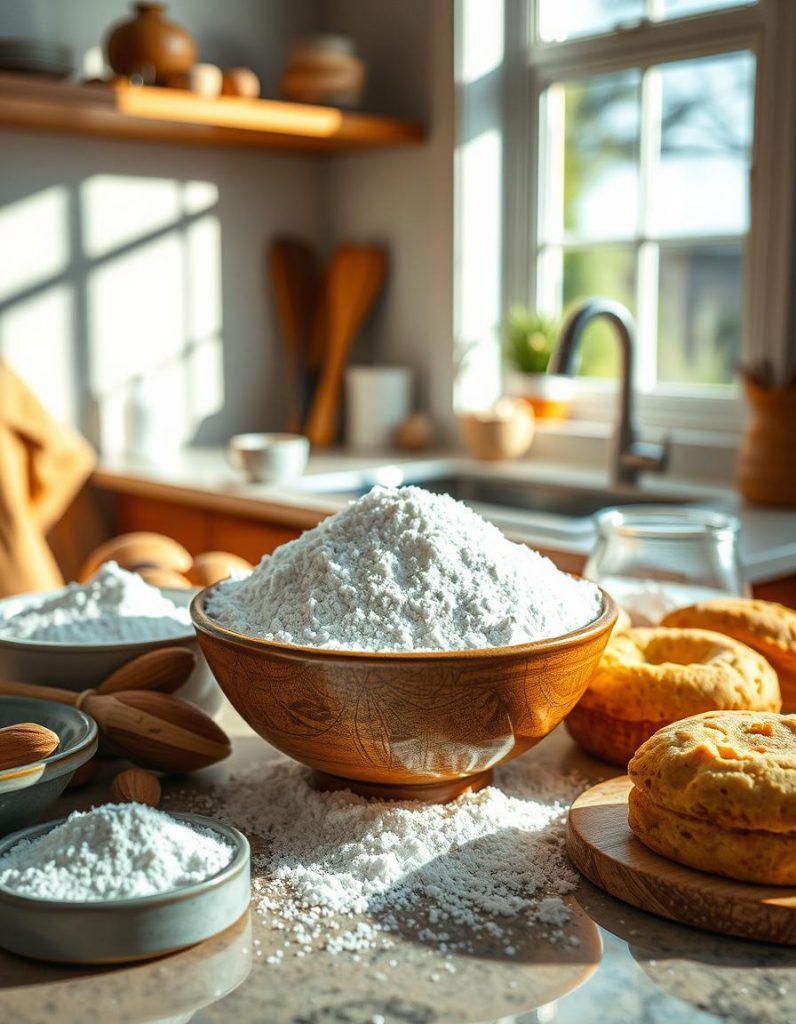
Powdered sugar is a common ingredient found in countless desserts, from cakes and cookies to frostings and glazes. If you follow a gluten-free diet, either due to celiac disease or gluten sensitivity, you might wonder: is powdered sugar gluten free? This question pops up more often than you might think, especially since gluten can sometimes sneak into unexpected foods. Let’s explore what powdered sugar is, how it’s made, and whether it’s safe for those avoiding gluten.
What Is Powdered Sugar?
Powdered sugar, also known as confectioners’ sugar or icing sugar, is just granulated sugar that has been ground into a fine powder. It often contains a small amount of an anti-caking agent like cornstarch to prevent clumping. You might guess that since it’s basically just sugar, it would naturally be gluten free. But as with many processed foods, there’s more to the story.
How Powdered Sugar Is Made
The process starts with granulated sugar crystals. These are crushed into a super fine powder, and then the anti-caking agent is added. The most common anti-caking agent is cornstarch, which is gluten free. However, some manufacturers might use other ingredients, so it is important to check the label. That said, gluten itself is a protein found in wheat, barley, rye, and their derivatives—none of which are part of sugar or cornstarch.
Is Powdered Sugar Gluten Free?
The straightforward answer: yes, powdered sugar itself is naturally gluten free. Sugar, whether granulated or powdered, comes from sugar cane or sugar beets, plants that do not contain gluten. The cornstarch used as an anti-caking agent generally comes from corn, another gluten-free grain.
Still, the key concern for some is cross-contamination. Sugar processing plants might also handle ingredients that contain gluten. This means powdered sugar could, in rare cases, come into contact with gluten-containing products. Although unlikely, this could pose an issue for those with severe gluten intolerance.
Reading Labels and Choosing Brands
To ensure powdered sugar is safe for your gluten-free diet, always read the ingredient label. Look for mentions of wheat, barley, rye, malt, or any gluten-containing additives. Many brands clearly state if their powdered sugar is gluten free, which offers peace of mind. If you’re buying from a bulk bin or an unmarked container, it’s better to avoid it or ask the vendor.
| Brand | Gluten Free Statement | Anti-Caking Agent |
|---|---|---|
| Domino | Yes | Cornstarch |
| Bob’s Red Mill | Yes | Cornstarch |
| Generic Store Brand | Varies – Check Label | Usually Cornstarch or None |
When baking at home, sticking to a trusted brand can simplify your gluten-free lifestyle. You might consider purchasing powdered sugar that is specifically labeled gluten free if you want to be absolutely certain.
Why Gluten Contamination Could Happen
Cross-contact can be a sneaky foe. Imagine powdered sugar being processed in a facility that also grinds wheat flour. Tiny traces of flour dust could end up in the sugar batch. For most people, a tiny trace won’t cause harm, but for someone with celiac disease, even minute gluten exposure can trigger symptoms.
Avoiding cross-contamination is why many gluten-free consumers look for certification logos on packaging or brands that dedicate their factories to gluten-free products. It’s a bit like trying to avoid bad luck on a Friday the 13th — precautions help keep the risks low.
What About Homemade Powdered Sugar?
If you want to take full control, you can easily make your own powdered sugar. Simply blitz granulated sugar in a blender or food processor until it reaches a fine powder. Add a pinch of cornstarch to prevent clumping if you like. This method ensures there’s no chance of cross-contact, and it’s quite satisfying to know exactly what’s in your sugar.
Is Powdered Sugar Safe for All Gluten-Free Diets?
Most people on a gluten-free diet can enjoy powdered sugar without worry. Gluten sensitivity and celiac disease vary from person to person, so it’s important to understand your own tolerance. If you ever experience symptoms after consuming powdered sugar, consider switching brands or making your own.
Here’s a quick checklist to help you decide if powdered sugar fits your gluten-free needs:
- Check the ingredient list for gluten-containing additives.
- Look for gluten-free certification on the packaging.
- Avoid bulk bins unless you’re sure no cross-contact has occurred.
- Consider making your own powdered sugar at home.
- Consult your healthcare provider if you suspect sensitivity despite precautions.
As a side note, if you’re interested in other sweet treats, you might enjoy this sugar free gummy bear review, which covers taste and health benefits for those avoiding sugar and gluten.
Comparing Powdered Sugar with Other Sugars
Besides powdered sugar, other types of sugar include granulated sugar, brown sugar, and raw sugar. All these types are essentially gluten free. Here’s a quick comparison:
| Sugar Type | Source | Gluten Content | Common Uses |
|---|---|---|---|
| Powdered Sugar | Sugar cane/beet | Gluten free* | Frostings, dusting, glazes |
| Granulated Sugar | Sugar cane/beet | Gluten free* | Baking, sweetening drinks |
| Brown Sugar | Sugar cane + molasses | Gluten free* | Cookies, sauces, desserts |
| Raw Sugar | Sugar cane | Gluten free* | Sweetening beverages |
*Assuming no cross-contamination during processing.
Common Myths About Powdered Sugar and Gluten
People often confuse starches or flours added to foods as potentially containing gluten. Since powdered sugar includes cornstarch, some worry that it might contain gluten. Rest easy — cornstarch does not contain gluten unless it has been cross-contaminated.
Another myth is that colored or flavored powdered sugar packs hidden gluten. While additional ingredients can sometimes contain gluten, flavored sugars and powder coatings are usually checked carefully due to allergen concerns. Again, checking labels is your best bet.
Conclusion
So, is powdered sugar gluten free? Yes, powdered sugar is naturally gluten free, making it a safe choice for most people on a gluten-free diet. The main caution is cross-contamination during processing, which can sometimes introduce tiny amounts of gluten. Always check labels, choose trusted brands, or make your own powdered sugar if you want complete control. With these tips, you can enjoy your sweet treats worry-free. Sweet success in the kitchen really can be that simple!

Allen is the founder of nosugarways.com, sharing simple tips and recipes to help you cut sugar and live healthier.