Sugar is a staple in many of our favorite treats and beverages, but if you follow a gluten-free diet, you might wonder, is sugar gluten-free and safe to consume? This question pops up often because gluten affects so many processed foods, and people want to be sure their sweetener won’t accidentally trigger any gluten-related health issues. Let’s break down what sugar really is, how gluten fits into the picture, and what you should watch out for when choosing sugar products.
Understanding Sugar and Gluten
First off, sugar itself is naturally gluten-free. Gluten is a protein found in wheat, barley, rye, and their derivatives. Sugar, on the other hand, comes mostly from sugar cane or sugar beets, neither of which contain gluten. So, sugar in its pure form does not have any gluten contamination.
That said, things get a little trickier when sugar is processed or added to packaged foods. Cross-contamination can occur if sugar is processed in facilities that also handle gluten-containing ingredients. This is why some people with celiac disease or gluten sensitivity choose to buy sugar that is specifically certified gluten-free.
Is Sugar Gluten-Free Certified?
Certification programs exist to ensure that food products contain less than a certain amount of gluten, usually 20 parts per million (ppm), which is considered safe for most people with gluten intolerance. Some brands go the extra mile to test and certify their sugar as gluten-free. However, certification isn’t required by law for sugar because it’s naturally gluten-free.
If you are very sensitive or have celiac disease, buying certified gluten-free sugar can offer peace of mind. These products guarantee that the sugar was handled in a way that prevents gluten contamination.
Types of Sugar and Their Gluten Status
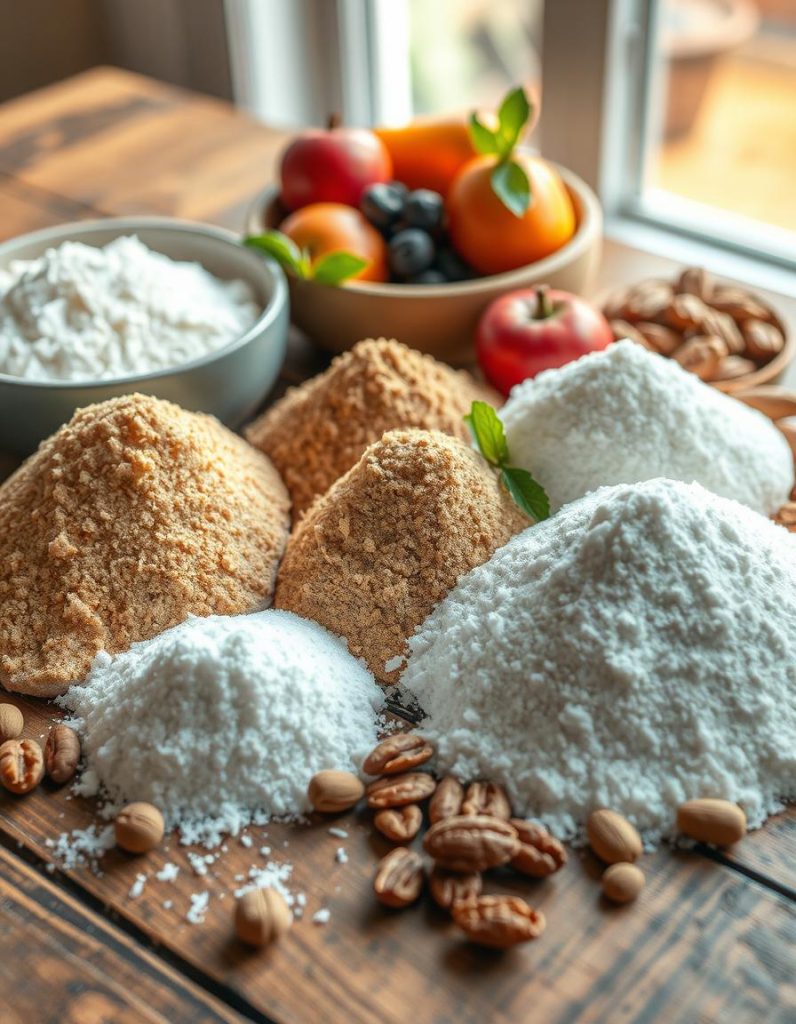
Not all sugars are created equal, especially when it comes to processing and potential gluten contamination. Here’s a quick look at common types of sugar and how they fare:
| Type of Sugar | Source | Is It Naturally Gluten-Free? | Certification Needed? | Notes |
|---|---|---|---|---|
| Granulated White Sugar | Sugar cane or sugar beets | Yes | No, but available | Most common sugar; typically safe unless cross contamination |
| Brown Sugar | White sugar + molasses | Yes | No | Molasses is gluten-free, but check for additives in processed kinds |
| Confectioners’ Sugar (Powdered Sugar) | White sugar + anti-caking agents | Yes | Sometimes | Some brands add cornstarch; ensure it’s gluten-free cornstarch |
| Coconut Sugar | Coconut palm sap | Yes | Rarely | Usually safe but check for cross contact in packaging |
Cross-Contamination: A Real Concern?
Here’s where some folks scratch their heads. Since sugar is gluten-free by nature, why worry about cross-contamination? Well, if sugar is processed in the same factories or on the same equipment as wheat or other gluten-containing grains, tiny traces of gluten could end up in the sugar. Although the risk is low, even small amounts can trigger symptoms in people with celiac disease.
To minimize risk:
- Choose sugar brands that label or certify their product as gluten-free.
- Read ingredient lists carefully to avoid added flavorings or fillers that may contain gluten.
- Avoid buying sugar in bulk bins where cross-contact is more likely.
Gluten-Free Labels vs. Certified Gluten-Free
Seeing a “gluten-free” label on sugar or any food product is comforting, but remember that “gluten-free” on a label isn’t always the same as certified gluten-free. Certification involves third-party testing and assures the product keeps gluten levels below strict limits.
For example, if you are super cautious due to a medical condition, certified gluten-free sugar is the safer bet. For most people following a gluten-free diet for health or lifestyle reasons, regular pure sugar is plenty safe.
Is Sugar Gluten-Free in Baked Goods and Other Processed Foods?
Now, let’s chat about sugar when it’s part of a bigger recipe. When sugar is an ingredient in baked goods, sauces, or candies, the gluten danger usually comes from other ingredients like flour, malt, or oats that might not be gluten-free. Sugar itself remains gluten-free, but it’s the company it keeps that can cause trouble.
If you buy pre-packaged or ready-made snacks sweetened with sugar, always check the label for gluten-containing ingredients. It’s common for malt flavoring (made from barley) or wheat-based thickeners to sneak into processed foods.
Hidden Sources of Gluten with Sugar
Some sneaky additives to watch for include:
- Malt syrup or malt extract – derived from barley, containing gluten.
- Natural flavors – sometimes made with gluten-containing ingredients.
- Modified food starch – might come from corn or wheat; check the source.
When in doubt, dialing up the manufacturer or choosing products with clear gluten-free labeling is a smart move.
Considering Alternatives: When Sugar Isn’t the Sweet Spot
If you’re looking to cut sugar completely or want to explore options that align with your gluten-free lifestyle, sweeteners like honey, maple syrup, stevia, and erythritol can be great choices. One popular option that often comes up is the sugar free gum with xylitol, which not only freshens breath but also supports dental health. You can find excellent options here.
Be sure to double-check any sweetener’s ingredients and processing claims, especially if you have celiac disease or severe gluten sensitivity.
Tips for Safely Enjoying Sugar on a Gluten-Free Diet
- Buy pure, unflavored sugar: Keep it simple by choosing sugar that doesn’t have additives or flavorings.
- Look for gluten-free certification: When available, this adds an extra layer of safety.
- Avoid bulk bins: Cross-contact risk is higher in stores where multiple foods share scoops and containers.
- Read labels carefully: Watch out for hidden gluten in flavorings or anti-caking agents.
- Trust your gut and body: If you feel unwell after consuming a product, it’s okay to pause and check again.
Conclusion
So, is sugar gluten-free? The short and sweet answer is yes—pure sugar is naturally free of gluten. However, if you have celiac disease or a strong sensitivity, it’s important to stay vigilant about cross-contamination and hidden gluten sources in processed sugar products. Certifications and clear labeling can help ensure your sugar is safe. Remember, sugar itself probably won’t cause any issues, but what’s mixed with it might.
As always, listen to your body and pick products that help you feel your best. Sweet treats can certainly remain a part of your gluten-free lifestyle with just a bit of care and common sense.

Allen is the founder of nosugarways.com, sharing simple tips and recipes to help you cut sugar and live healthier.