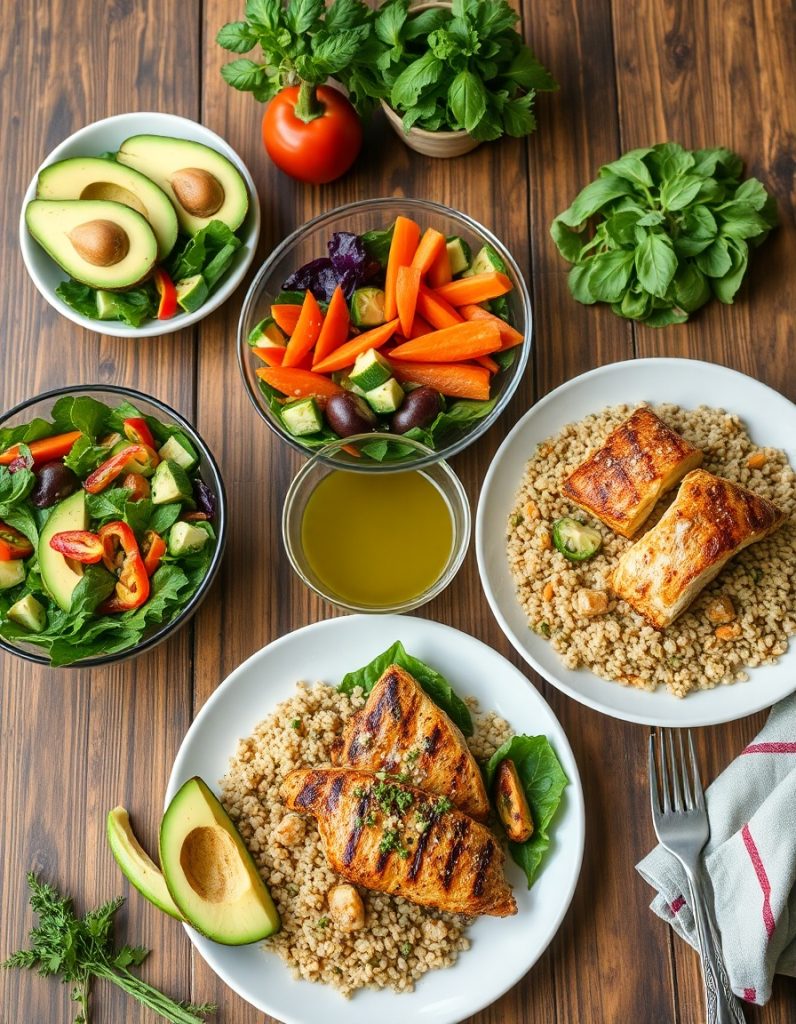
Choosing a gluten free sugar-free diet can feel like a breath of fresh air for many people aiming to shed extra pounds and boost their health. With so many diet choices flying around, this one focuses on cutting out gluten and sugar—two common ingredients that can cause inflammation, energy crashes, and weight gain. By understanding how this diet plan works and what foods to eat, you can make smarter, healthier decisions that stick over time.
What Is a Gluten Free Sugar-Free Diet?
This eating plan revolves around avoiding gluten, a protein found in wheat, barley, and rye, plus eliminating added sugars and natural sugar sources. Gluten is tough on people with sensitivities or celiac disease, but even without these conditions, some find cutting it out helps digestion and energy levels. Removing sugar, on the other hand, helps control blood sugar spikes and cravings. Together, these changes can lead to weight loss and clearer skin, better focus, and more consistent energy.
Why Cut Gluten?
Gluten can trigger inflammation or digestive discomfort for certain folks. Even if you don’t have celiac disease, gluten might cause bloating, tiredness, or brain fog. Removing gluten frees your body from those hassles, often making you feel lighter and more energetic. Plus, gluten-free choices often encourage eating whole foods like fruits, vegetables, nuts, and seeds.
The Impact of Cutting Sugar
Sugar is sneaky—it sneaks into everything from bread to sauces. Excess sugar causes energy crashes, poor mood, and unwanted weight gain. A sugar-free diet minimizes these highs and lows, keeping you steady. It also reduces inflammation and the risk of diseases like diabetes. In the long run, avoiding added sugar encourages healthier eating habits.
Key Foods to Eat on a Gluten Free Sugar-Free Diet
Focusing on whole, unprocessed foods is the key. Here’s a simple breakdown of what to enjoy:
| Food Group | Examples | Benefits |
|---|---|---|
| Vegetables | Spinach, broccoli, carrots, zucchini | Low calorie, rich in fiber and vitamins |
| Fruits | Berries, avocados, lemons | Natural sweetness, antioxidants |
| Proteins | Chicken, fish, eggs, tofu, nuts | Supports muscle health and fullness |
| Grains | Quinoa, brown rice, gluten-free oats | Fiber and sustained energy |
| Fats | Olive oil, coconut oil, nuts, seeds | Heart health and satiety |
Foods to Avoid
Here are common ingredients to watch out for when following a gluten free sugar-free diet. Reading labels is non-negotiable.
- Wheat, barley, rye, and products containing them
- Baked goods with added sugar or gluten flours
- Sugary drinks like soda, fruit juices, and sports drinks
- Processed snacks with hidden gluten or sugar
- Sauces and dressings with added sugars or gluten thickeners
Sample Day on a Gluten Free Sugar-Free Diet
To make this lifestyle practical, here’s a day’s worth of meals that keep you full and satisfied.
| Meal | Example | Nutrition Highlights |
|---|---|---|
| Breakfast | Scrambled eggs with spinach and avocado slices | Protein, healthy fats, fiber |
| Lunch | Grilled chicken salad with mixed greens, nuts, and olive oil dressing | Lean protein, antioxidants, healthy fats |
| Snack | Fresh berries and a handful of almonds | Low sugar, vitamins, healthy fats |
| Dinner | Baked salmon with quinoa and steamed broccoli | Omega-3 fats, fiber, protein |
Benefits Beyond Weight Loss
Sure, dropping pounds is a big draw, but a gluten free sugar-free diet offers more than that. Many people report clearer skin, improved digestion, and better sleep patterns. The absence of sugar helps stabilize mood, while avoiding gluten can reduce joint pain and brain fog. Plus, eating whole foods tends to improve overall nutrition without forcing you to count every calorie.
For those who rely on energy drinks during a slump, consider checking out the sugar free red bull caffeine content. It provides a way to boost alertness without the sugar crash that follows many conventional energy drinks. This little detail can be a game changer for maintaining energy levels while on a sugar-free plan.
Tips to Stick With It
- Plan meals ahead: Avoid last-minute choices that might include gluten or sugar.
- Cook at home: Know exactly what goes into your food.
- Carry snacks: Nuts, seeds, or fruits help prevent temptation.
- Read labels: Gluten and sugar hide in strange places like soups and sauces.
- Stay hydrated: Water helps curb hunger and flush toxins.
Common Misconceptions
Some folks worry that cutting gluten and sugar means boring food or feeling deprived. Not true! Once you get creative with spices, herbs, and fresh ingredients, meals become exciting and flavorful. Another myth is that these diets lack energy. In reality, many people report more energy because their blood sugar stays balanced and digestion improves.
When to Be Careful
This diet works well for most, but if you have specific health issues like diabetes, thyroid problems, or eating disorders, it’s best to chat with a healthcare provider. Also, avoid over-restricting yourself which can lead to frustration or nutrient gaps. Variety is your friend in any diet.
Conclusion
Adopting a gluten free sugar-free diet can be a refreshing change with multiple benefits. It is an approachable way to ditch empty calories, reduce inflammation, and take control of your weight and health. Remember, the goal is to enjoy what you eat, feel great, and sustain these habits long term. With simple swaps, smart planning, and a willingness to experiment, this plan can help you live a happier, healthier life without missing out on flavor or energy.

Allen is the founder of nosugarways.com, sharing simple tips and recipes to help you cut sugar and live healthier.