
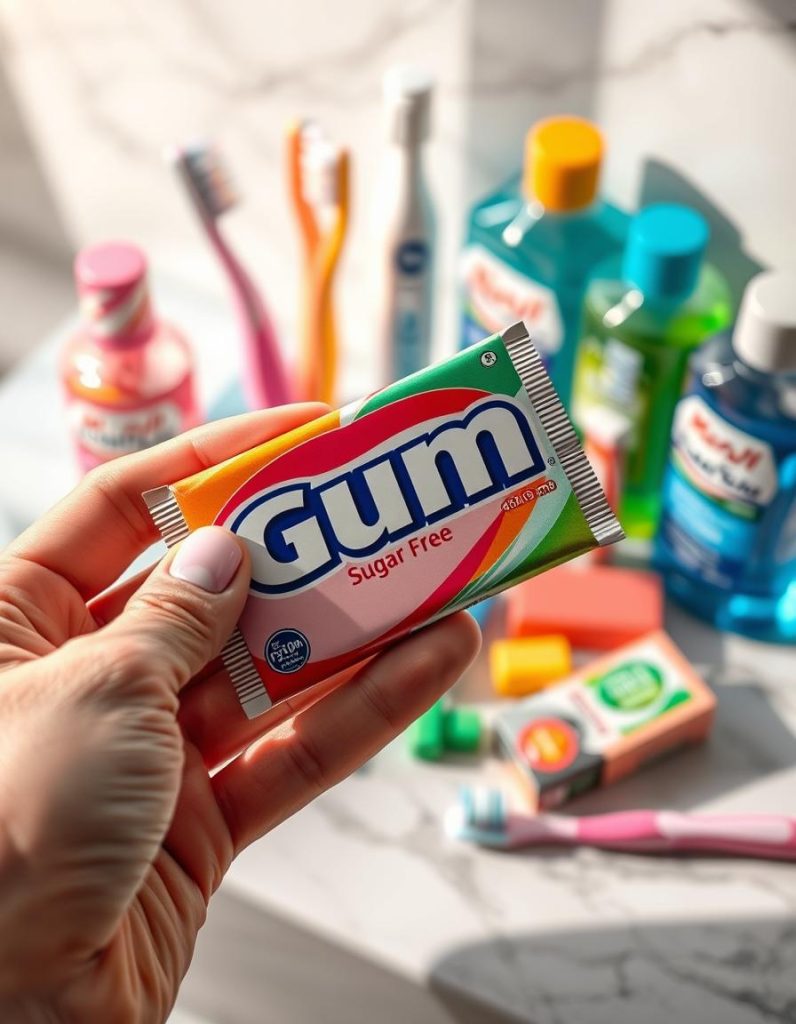
Chewing gum is a popular habit for many people — whether to freshen breath, keep busy, or just enjoy a little burst of flavor. But when it comes to sugar free gum, you might wonder: can sugar free gum cause cavities or does it actually help keep your teeth healthy? This is a great question because our mouth’s health is influenced by what we chew, sip, and snack on throughout the day. Let’s explore how sugar free gum interacts with your teeth and whether it’s friend or foe for your dental hygiene.
How Cavities Form
Before answering whether sugar free gum can cause cavities, it’s helpful to understand what causes cavities in the first place. Cavities, or tooth decay, start when acids break down the enamel — the hard outer shell of your teeth. These acids are produced by bacteria that feast on sugar and starch left in your mouth. When sugar sticks around on teeth, bacteria have a feast and produce acid, which leads to decay.
So, the key to preventing cavities is to reduce sugar exposure and keep your mouth as clean as possible. This is where sugar free gum can enter the story.
What Is Sugar Free Gum Made Of?
Sugar free gum is made with sweeteners such as xylitol, sorbitol, or mannitol instead of regular sugar. These sweeteners give gum its sweet taste without feeding the cavity-causing bacteria the way sugar does. In fact, some sugar alcohols like xylitol might even reduce the number of bacteria in your mouth.
That’s why many dentists actually recommend chewing sugar free gum as a simple way to help protect teeth, especially after meals.
The Role of Saliva
When you chew gum, your mouth pumps out more saliva. Saliva is the unsung hero in fighting cavities because it washes away food particles, neutralizes acids, and provides minerals that help repair tooth enamel. Chewing sugar free gum after eating can boost saliva flow, giving your teeth some natural protection.
Can Sugar Free Gum Cause Cavities?
Now to the burning question: can sugar free gum cause cavities? The short answer is usually no — sugar free gum itself does not cause cavities because it doesn’t contain sugar, the main culprit in tooth decay.
However, not all sugar free gums are created equal. Some sugar free gums do contain acidic flavorings or additives that might irritate your mouth or enamel if overused. Also, if you chew sugary gums or sugary candy often, those products can feed bacteria and cause cavities.
It’s also important to remember that sugar free gum is not a cure-all. If you don’t brush and floss regularly, skip dental visits, or consume a lot of sugary drinks and snacks, chewing gum alone won’t keep cavities away.
When Sugar Free Gum Might Be Risky
- Excessive chewing: Over-chewing gum can cause jaw discomfort or wear down tooth enamel if your bite isn’t quite right.
- Dental fillings and braces: Some gums might stick to dental work and cause damage.
- Flavor additives: Very acidic gums could cause minor enamel erosion if used nonstop for hours daily.
In general, chewing sugar free gum in moderation is safe and beneficial, but be mindful of these points.
The Benefits of Sugar Free Gum on Oral Health
Besides not causing cavities, sugar free gum offers several perks that can actually help protect your teeth:
| Benefit | How It Helps |
|---|---|
| Increases saliva flow | Wash away acids and food particles, neutralize harmful acids |
| Contains xylitol | Reduces bacteria that cause cavities and may strengthen enamel |
| Freshens breath | Reduces odor-causing bacteria |
| Helps clean teeth | Dislodges food debris from hard-to-reach places |
Chewing sugar free gum after meals can be a handy way to give your mouth a little boost in fighting plaque and cavities until you can brush.
Choosing the Right Sugar Free Gum
There are many brands of sugar free gum on the market, but picking the right one can make a difference. Here are some tips to keep in mind:
- Look for xylitol: This sweetener is known for its cavity-fighting properties.
- Avoid gum with high acid content: Very sour gums might damage enamel if overused.
- Stick to sugar free: Even if the gum is sweet, if it contains sugar, it can feed the bacteria.
- Be mindful of any fillers or artificial flavors: Sometimes these cause sensitivity or irritation for some people.
If you’re a fan of tangy treats, you might want to check out options like sugar free sour hard candy that won’t harm your teeth the way sugary candies can.
Common Myths About Sugar Free Gum and Cavities
There’s plenty of talk about gum causing cavities or ruining teeth, but much of it comes from confusion between sugar and sugar free options. Let’s clear up a few myths:
- Myth: All gum causes cavities.
Truth: Only gum with sugar can cause cavities. Sugar free gum helps fight them. - Myth: Chewing gum replaces brushing.
Truth: Gum helps but can’t replace good brushing and flossing habits. - Myth: Gum ruins your teeth enamel.
Truth: Over-chewing gum with acid flavoring might cause minor wear, but moderate chewing is safe.
So, if someone tells you, “Don’t chew gum or you’ll get cavities,” you now have the facts to set the record straight!
Tips to Maximize Oral Health with Sugar Free Gum
To get the biggest benefit from sugar free gum and keep cavities at bay, here are some simple suggestions:
- Chew gum for about 10-20 minutes after eating
- Choose gums with xylitol or other sugar alcohols
- Don’t rely on gum alone — brush twice daily and floss
- Visit your dentist regularly for check-ups and cleanings
- Limit sugary and acidic drinks and snacks
Think of sugar free gum as a helpful sidekick, not the superhero of oral hygiene.
Conclusion
So, can sugar free gum cause cavities? The answer is generally no. Because it doesn’t contain sugar and often contains ingredients like xylitol that fight cavity-causing bacteria, sugar free gum can actually help support your oral health. Chewing it after meals boosts saliva, cleans your mouth, and freshens your breath.
That said, sugar free gum is not magic — it won’t replace brushing and flossing. Choosing a good brand and chewing in moderation ensures you get the utmost benefits without any downsides. If you keep a solid dental routine and make smart choices, sugar free gum can be a tasty and effective way to keep your smile shining bright.

Allen is the founder of nosugarways.com, sharing simple tips and recipes to help you cut sugar and live healthier.

