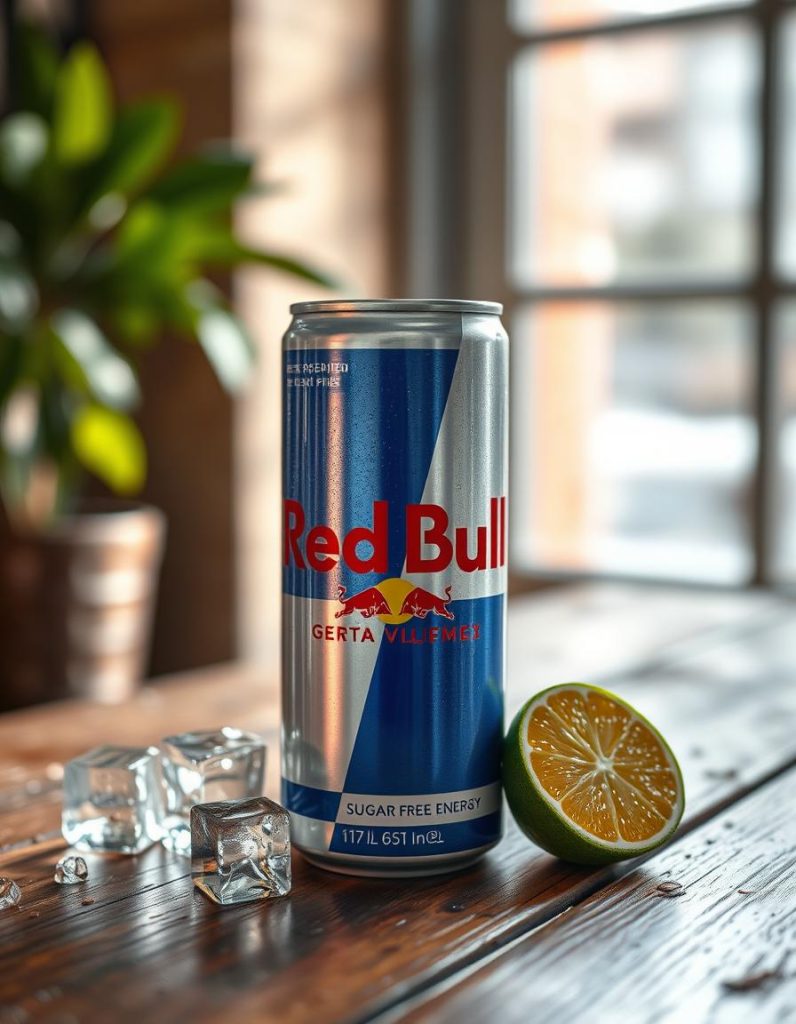
Energy drinks have become a popular choice for many looking for a quick boost during a long day, a workout, or even a late-night study session. Red Bull, one of the most famous energy drinks, offers a sugar free version that promises the same kick without the extra calories. But many wonder, does sugar free red bull have caffeine? And if so, how much caffeine does each can pack? Understanding these details can help you make an informed choice about when and how to enjoy this beverage safely.
Does Sugar Free Red Bull Have Caffeine?
The short answer is yes — sugar free Red Bull does contain caffeine. Just like the original version with sugar, the sugar free variant is designed to provide that much-needed energy spike, primarily through caffeine and other natural stimulants like taurine and B vitamins. But since it lacks sugar, many people expect it to be a healthier or safer alternative. Still, the caffeine content remains a key factor.
Caffeine Content in Sugar Free Red Bull
Each 8.4 fl. oz (250 ml) can of sugar free Red Bull contains about 80 milligrams of caffeine. To put that into perspective, a regular cup of brewed coffee has roughly 95 mg of caffeine. So, sugar free Red Bull offers a similar caffeine punch but without the sugar crash that sometimes follows sugary energy drinks.
| Drink | Serving Size | Caffeine Content | Sugar Content |
|---|---|---|---|
| Sugar Free Red Bull | 8.4 fl. oz (250 ml) | 80 mg | 0 g |
| Regular Red Bull | 8.4 fl. oz (250 ml) | 80 mg | 27 g |
| Brewed Coffee | 8 fl. oz (237 ml) | 95 mg | 0 g |
How Caffeine Works in Energy Drinks
Caffeine is a natural stimulant that affects your central nervous system, helping you feel more alert and awake. It’s the most widely consumed psychoactive substance worldwide, and energy drinks like sugar free Red Bull use caffeine to give you a quick energy boost. However, the way caffeine interacts with your body depends on several factors, including how much you consume and your personal tolerance.
Since sugar free Red Bull is free from sugar, it won’t cause those sudden spikes and drops in blood sugar levels that can leave you feeling tired after the initial buzz. Instead, the caffeine provides a more straightforward stimulant effect, which is why many people prefer the sugar free option if they want the energy without the sugar.
What Else Is in Sugar Free Red Bull?
Ingredients Overview
Besides caffeine, sugar free Red Bull contains several other ingredients designed to support energy and alertness. Here’s a quick look at the key players:
- Taurine: An amino acid that some studies suggest may improve athletic performance and reduce muscle fatigue.
- B Vitamins: Especially B6 and B12, which help convert food into energy and support brain function.
- Artificial Sweeteners: Instead of sugar, sugar free Red Bull uses sweeteners to keep the sweetness without the calories.
- Carbonated Water: For the fizzy sensation that many enjoy.
A quick side note—if you’re curious about sugar substitutes in beverages, you can find helpful info on what sweetener is in gatorade zero. It’s always interesting to see how different drinks keep things sweet without sugar.
Artificial Sweeteners Used
In sugar free Red Bull, the typical sweeteners include sucralose and acesulfame potassium (Ace-K). These are calorie-free and generally recognized as safe by food authorities. They provide the sweet taste without impacting blood sugar levels, which makes sugar free Red Bull a popular choice for those watching their calorie intake or managing diabetes.
How Much Sugar Free Red Bull Is Safe to Drink?
Recommended Limits
Since sugar free Red Bull has caffeine, it’s important to monitor your intake. The U.S. Food and Drug Administration suggests that 400 mg of caffeine per day is generally safe for most healthy adults. That means you could technically drink about five cans of sugar free Red Bull in a day, but this isn’t something you want to do regularly.
Consuming too much caffeine can lead to jitteriness, headaches, and trouble sleeping. Plus, everyone’s caffeine sensitivity varies. For teenagers, pregnant women, and people with certain health conditions, the recommended limits are much lower.
Tips for Responsible Consumption
- Keep an eye on your total daily caffeine intake from all sources, including coffee, tea, and soda.
- Avoid drinking energy drinks late in the day to prevent sleep disturbances.
- Don’t mix sugar free Red Bull with alcohol, which can mask the depressant effects of alcohol and lead to unsafe behavior.
- Listen to your body—if you feel anxious or uneasy, it might be time to cut back.
How Sugar Free Red Bull Compares to Other Energy Drinks
Many energy drinks claim to offer high caffeine content, but sugar free Red Bull strikes a middle ground. Some brands pack over 200 mg of caffeine per can, which can be overwhelming if you’re not used to it. The sugar free Red Bull can be a more manageable option for people who want a reliable boost without going overboard.
| Energy Drink Brand | Caffeine per Can | Sugar Content |
|---|---|---|
| Sugar Free Red Bull | 80 mg (8.4 fl. oz) | 0 g |
| Monster Energy (Original) | 160 mg (16 fl. oz) | 54 g |
| Bang Energy | 300 mg (16 fl. oz) | 0 g |
Choosing a lower caffeine option like sugar free Red Bull can help ensure you get a steady energy lift without the risk of the “jitters” or a sudden crash. Plus, the absence of sugar means fewer empty calories, making it a popular choice for those mindful of their diet.
Conclusion
So, does sugar free red bull have caffeine? Yes, and the amount is around 80 mg per 8.4-ounce can—comparable to a standard cup of coffee. Sugar free Red Bull offers a caffeine boost without the sugar, making it appealing to people who want energy without extra calories. However, like any caffeinated drink, it’s best enjoyed in moderation. Understanding what’s inside your drink helps you make choices that fit your lifestyle and keep your energy on point without the unwanted side effects.

Allen is the founder of nosugarways.com, sharing simple tips and recipes to help you cut sugar and live healthier.