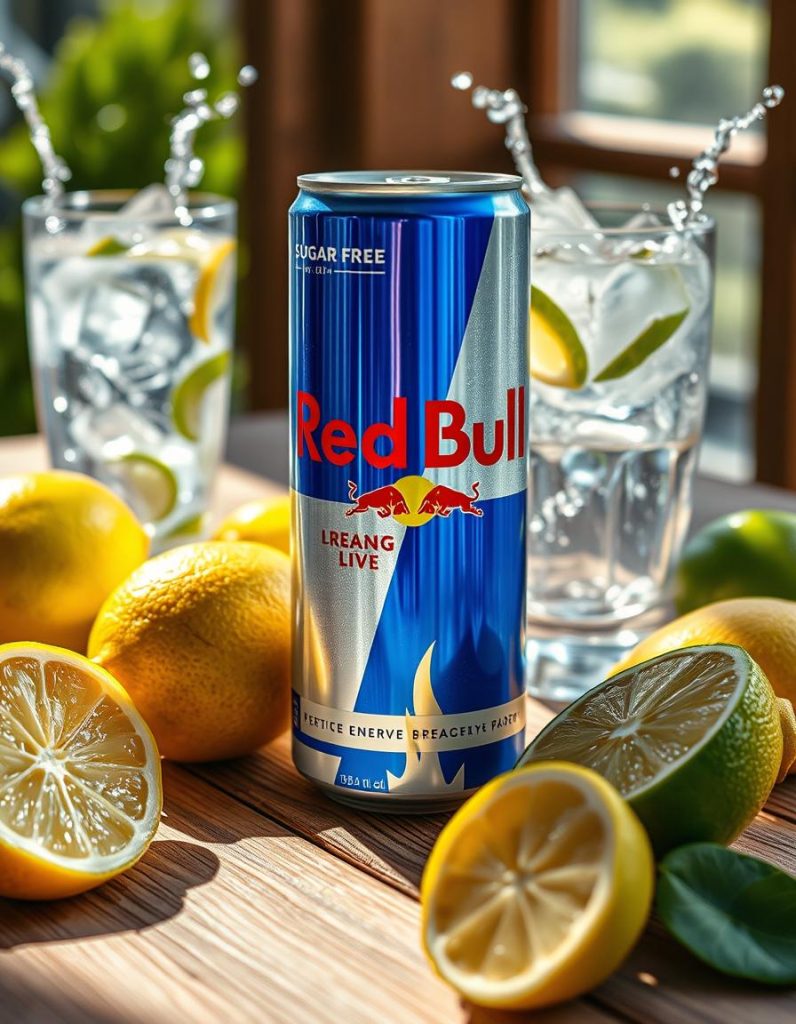
Energy drinks have become a popular choice for many looking to boost alertness and stamina throughout their day. Among these, Red Bull is a well-known brand that offers a sugar-free version aimed at those who want energy without the extra calories. But many wonder: is sugar free Redbull bad for you? This question is important because understanding what you’re drinking and how it impacts your body can help you make smarter choices for your health.
What Makes Sugar Free Red Bull Different?
Sugar free Red Bull swaps the sugar found in the original formula with artificial sweeteners like sucralose and acesulfame potassium. This means it contains zero sugar and fewer calories. Many people assume that cutting out sugar makes the drink healthier, but it’s not that simple. The rest of the ingredients, especially caffeine and other stimulants, still play a big role in how the drink affects your body.
Key Ingredients in Sugar Free Red Bull
| Ingredient | Purpose | Potential Effects |
|---|---|---|
| Caffeine (80 mg) | Boosts alertness and energy | Can increase heart rate and blood pressure |
| Taurine | Supports neurological development and helps regulate water and mineral levels | Generally safe but long-term effects unclear |
| Artificial Sweeteners (Sucralose, Acesulfame K) | Add sweetness without calories | Safe in moderate amounts; some digestive concerns |
| B Vitamins (B6, B12, Niacin, Pantothenic Acid) | Support energy metabolism | Generally beneficial in normal amounts |
Is Sugar Free Redbull Bad for You? The Health Effects
To answer this directly, it depends on how much you drink and your own health conditions. Sugar free Red Bull is not “bad” if consumed occasionally and in moderation. However, excessive intake can cause problems, especially because of the caffeine and additives.
The Pros of Sugar Free Red Bull
- Zero sugar, so it doesn’t contribute to tooth decay or blood sugar spikes.
- Fewer calories, which is good if you’re watching your weight.
- Contains B vitamins that help with energy production.
- Convenient for a quick energy boost when needed.
The Cons of Sugar Free Red Bull
- High caffeine content can cause jitters, insomnia, or heart palpitations in sensitive people.
- Artificial sweeteners might cause digestive issues in some individuals.
- Can increase blood pressure temporarily, which might be risky for those with hypertension.
- Not suitable for children, pregnant women, or those who are caffeine sensitive.
Drinking several cans a day can add up to a significant caffeine load. For example, four cans equal about 320 mg of caffeine—close to or exceeding the recommended daily limit for some adults. This can lead to unpleasant side effects, such as anxiety, headaches, or rapid heartbeat.
Caffeine: Friend or Foe?
Caffeine is the star player in energy drinks. It stimulates your central nervous system, making you feel more awake and focused. But “more awake” doesn’t always mean better health. Your body can only handle so much before it starts to rebel. If you’re asking “is sugar free Redbull bad for you” mainly because of caffeine, consider the following:
| Amount of caffeine | Possible Effects |
|---|---|
| Up to 200 mg/day | Generally safe for most adults, may improve alertness. |
| 200-400 mg/day | Can cause nervousness, restlessness, and sleep problems. |
| Over 400 mg/day | Increased risk of heart issues, anxiety, and digestive discomfort. |
Since one can of sugar free Red Bull contains about 80 mg, it’s easy to lose track if you’re sipping multiple cans or combining with coffee or other caffeine sources.
Artificial Sweeteners — Should You Be Worried?
Many people avoid sugar free drinks because of artificial sweeteners. These substances are heavily tested and approved by health authorities, but some folks report bloating, gas, or headaches. There’s no strong evidence linking them to serious health problems when consumed in low to moderate amounts.
Some sweeteners even show promise in helping people reduce calorie intake or control sugar cravings. So, while it’s good to be cautious, the artificial sweeteners in sugar free Red Bull are unlikely to cause harm for most people if consumed within limits.
On a lighter note, if you’re experimenting with flavors and want to avoid added sugars, you might find inspiration in unique ingredients like dragon fruit syrup. It’s a natural way to add sweetness without the sugar crash!
Who Should Avoid Sugar Free Red Bull?
There are definitely groups of people who should be cautious or avoid sugar free Red Bull entirely:
- Children: Their bodies are more sensitive to caffeine.
- Pregnant or breastfeeding women: High caffeine intake is linked to risks.
- People with heart conditions or high blood pressure: The stimulant effects can worsen symptoms.
- Those sensitive to caffeine or artificial sweeteners: May experience adverse reactions.
Tips to Enjoy Sugar Free Red Bull Safely
- Limit intake to one can per day to avoid excessive caffeine consumption.
- Don’t mix with other caffeine sources like coffee or energy shots.
- Keep hydrated with plenty of water alongside energy drinks.
- Listen to your body — if you feel jitters, headaches, or heart palpitations, cut back immediately.
- Aim to get energy naturally from balanced meals, sleep, and exercise whenever possible.
Conclusion
So, is sugar free Redbull bad for you? The honest answer is: it depends. When consumed occasionally and in moderation, sugar free Red Bull can be a fairly safe energy boost without the downsides of sugar. But relying on it regularly or in large amounts can lead to caffeine-related side effects and possible digestive discomfort due to artificial sweeteners.
As with many drinks and foods, the key is balance and awareness. Know your own limits, watch the total caffeine you consume daily, and keep an eye on how your body reacts. If you approach it sensibly, sugar free Red Bull doesn’t have to be bad for you — just treat it like a tool, not a crutch.

Allen is the founder of nosugarways.com, sharing simple tips and recipes to help you cut sugar and live healthier.